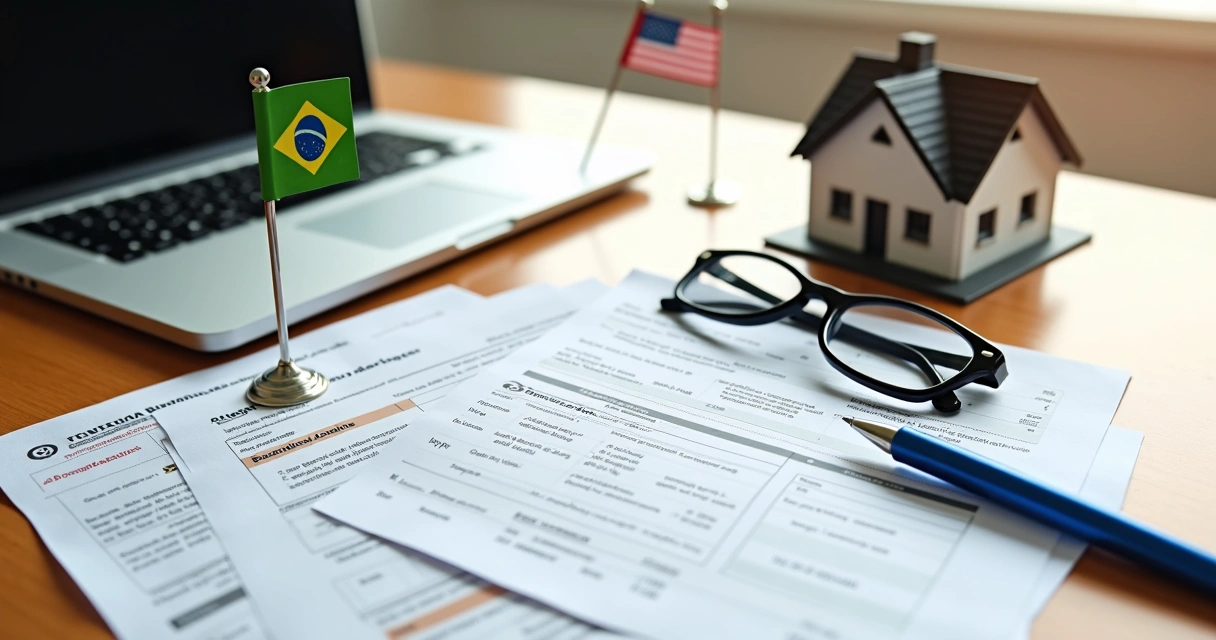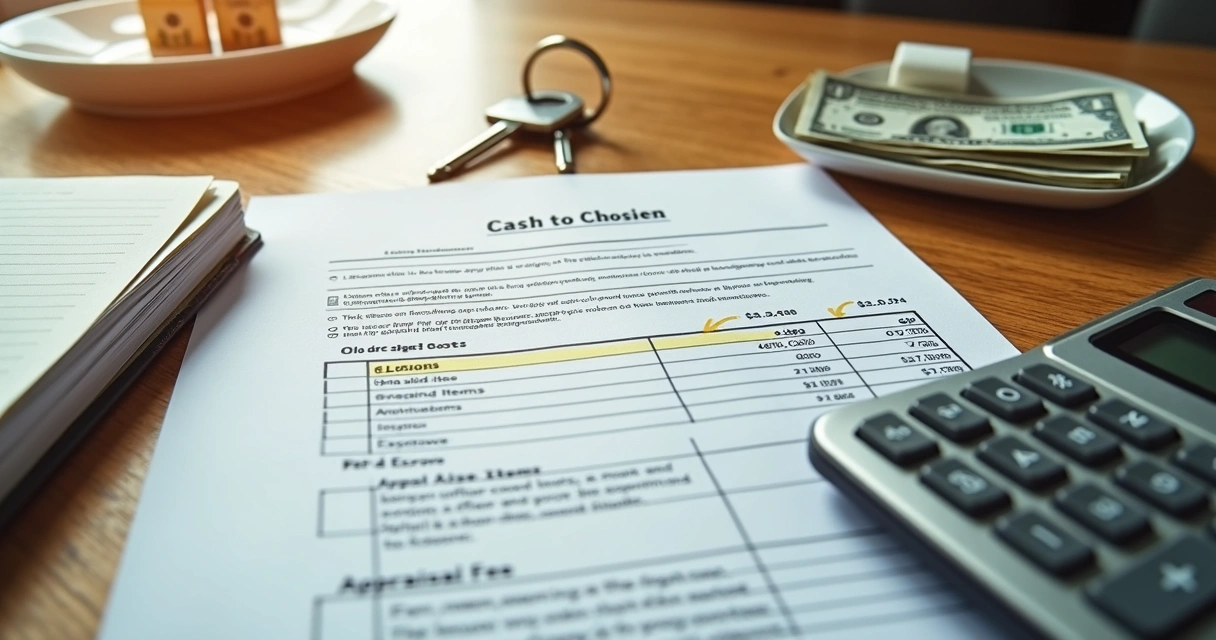
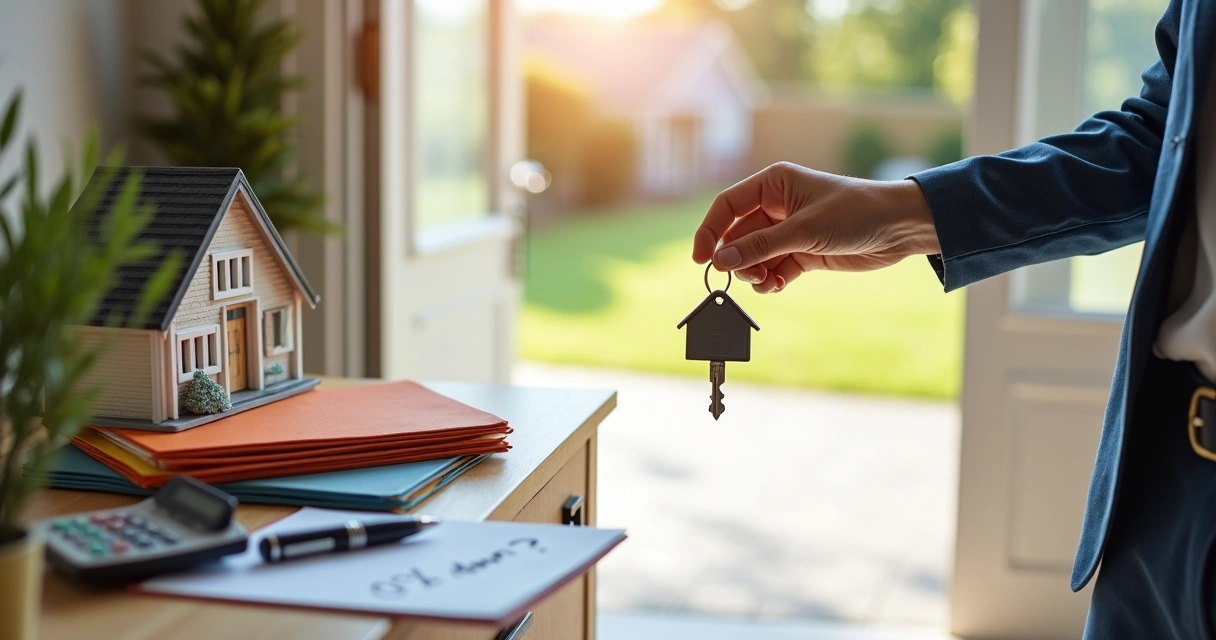
When I think back to some of the questions I get most, one stands out above the rest: "Is it possible to buy a home in the US with nothing down in 2026?" The answer is yes, for the right buyers and the right program. If you are someone—or know someone—dreaming of homeownership but wondering about that first step, here’s what I see changing futures: a 0% down loan program. In this guide, I’ll walk you through what’s real (and what’s not), sharing recent rules, who qualifies, and which options make sense, all through my experience at Heart Mortgage.
Understanding zero down payment loans
Zero down payment mortgages let buyers move in without putting any money down up front. Instead of saving tens of thousands to even start the process, you finance the entire purchase—sometimes even including closing costs. For 2026, there are government-backed programs, along with other options for down payment help.
I’ve seen buyers who never thought ownership possible close on homes thanks to these approaches. But each route comes with rules, eligibility checks, and different benefits. Below, I’ll share a closer look at the key programs available next year and how they compare.
Key 0% down loan programs for 2026
If you’re looking for clear 0 down payment financing programs examples, there are two main options: VA loans and USDA loans. Each has its own requirements, which I’ll explain in detail.
VA loans—complete no down payment option
The VA home loan program is extremely popular for qualified veterans, active-duty service members, and some surviving spouses. If you meet service guidelines and wish to buy a primary home, the VA mortgage lets you finance 100% of the house price—no down payment at all in 2026.
- Must be a veteran, eligible service member, or certain surviving spouse
- Certificate of Eligibility (COE) needed
- Can purchase, build, or improve a primary residence (no second homes or investment properties)
- No monthly mortgage insurance—just a VA funding fee, sometimes waived for disabled veterans
- Limits based on local loan limits, which you can check on the Federal Housing Finance Agency’s loan limit tool
For buyers able to use it, the VA mortgage delivers the true zero down experience in 2026, with flexible credit guidelines and competitive rates.
USDA Rural Development mortgages
USDA loans are another direct route to 100% financing, but with a different focus. These mortgages aim to boost housing in eligible rural and suburban communities. In my experience, buyers often overlook USDA, but it’s extremely helpful for those outside larger cities.
- Home must be in an approved rural/suburban area (USDA provides a search tool by address)
- Income caps at or below 115% of your area median income (specific by county and household size)
- Primary residence only—no second homes or investment properties
- Often lower mortgage insurance costs compared to other low-down-payment loans
- 100% of the appraised value can be financed—sometimes even covering closing costs
USDA loans continue to unlock affordable homeownership for families who might otherwise be unable to buy. In 2026, I expect the popularity of this route only to grow, especially as home prices climb.
What about FHA loans?
Sometimes buyers tell me, “I heard about a 0% down FHA loan.” But for 2026, the minimum down payment for FHA loans is still 3.5%, provided you meet the credit standard (580 FICO or above). That’s why FHA is a great “low money down” choice, not true zero down. Still, FHA is accessible even for those with less-than-perfect credit or limited savings—so with the right approach, it can also bring homeownership within reach. For the latest FHA requirements and strategies, I often recommend checking this helpful FHA loan guide.
Other 0% down loan program options for 2026
While the VA and USDA programs are the best-known, I’ve seen buyers succeed with several supporting options that make 0% down possible, even with standard mortgages.
Down payment assistance (DPA) programs
Many states, cities, or nonprofits offer grants, forgivable loans, or second mortgages to cover all or part of the down payment and sometimes closing costs. When combined with a conventional loan or FHA loan, it’s possible to buy with little or nothing of your own funds.
- DPA grants—which never need to be repaid—are sometimes available for first-time or low-to-moderate-income buyers
- Forgivable loans typically require living in the home for a set period (often 3-5 years) to be “forgiven”
- Second mortgages for the down payment may be repaid monthly or when you sell/refinance
 I’ve watched these resources change lives, especially for first-time buyers or those facing higher rents. When paired with experienced mortgage guidance, DPA programs can make a genuine difference for buyers who thought saving a down payment would take years.
Conventional and special programs with lender-paid assistance
A handful of private programs and special banking products allow for no down payment through layered assistance or promotions. Sometimes there is a “community lending” focus, or the loan is paired with a specific savings program. These change often, and new pilot programs continue to appear. At Heart Mortgage, I always look at every angle to find even lesser-known ways to help buyers with limited up-front funds, making homeownership possible for a broader range of people.
How to qualify for 0% down options
Eligibility always depends on your situation and the kind of loan:
- VA loans: Must meet service requirements and have a COE. Credit guidelines tend to be forgiving compared to standard loans, but you’ll still go through credit and income review.
- USDA mortgages: The property must meet rural requirements and you must stay below the local income cap. Good credit and stable income are expected, but the thresholds are less strict than in purely conventional loans.
- Down Payment Assistance: Typically for first-time buyers (which often means not owning in the last 3 years), or buyers in targeted areas/income levels. Each program has its own requirements and application process.
Whatever the route, every buyer goes through standard steps: prequalification, documentation, income checks, and usually a property appraisal. At Heart Mortgage, my team and I walk each client through these phases—explaining in detail and helping with paperwork so you’re never left to guess what’s next.
Benefits and common pitfalls
With true zero down payment mortgage programs, buyers keep their savings intact and speed up the move-in timeline. That can be life-changing. But, it’s not for everyone, and some risks do exist. Based on what I’ve learned assisting buyers at Heart Mortgage:
- Total loan size is higher. This increases your monthly payment and the amount of interest paid over time.
- Some programs, like USDA, limit the locations and income of eligible buyers.
- VA and many DPA programs require the home to be your primary residence.
- Lender or government fees, such as the VA funding fee, can add to upfront expenses (though some can be rolled into the loan or reduced for specific buyers).
 The number one challenge I’ve seen? Not knowing all the options (or running into confusing requirements). That’s why I stress the need for clear, honest advice from a team that will explain every step and stay available by call, chat, or face-to-face.
Comparing to other methods and expanding your research
If you plan to buy with a small down payment (but not quite zero down), I recommend learning about other low down payment loans, like FHA or programs aimed at first-timers. Excellent resources include the Heart Mortgage first-time homebuyer guide and a comprehensive complete mortgage guide for US homebuyers. These explain who qualifies, which routes can minimize out-of-pocket cash, and the tradeoffs of each. You might also enjoy reading current trends and case studies on the Heart Mortgage blog for the latest insights, in plain language.
Conclusion: Where to find help in your 0% down journey
Zero down payment financing is real. For 2026 buyers, there’s never been more access—if you know where to look, which programs match your story, and have someone to guide you through the maze.
Unlocking homeownership is closer than you think.
At Heart Mortgage, this is what I do every day—guiding first-time buyers, repeat investors, and those facing approval challenges to real, transparent solutions. Whether you hope for a VA loan, a USDA mortgage, or a down payment assistance path, our team’s mission is to turn questions into keys in your hand. If you’re ready to make the next move or want to understand your options, I invite you to schedule a conversation today and see how Heart Mortgage can help you open your own front door.
Frequently asked questions
What is a zero down mortgage?
A zero down mortgage lets you purchase a home without making any upfront down payment, financing 100% of the property’s purchase price through your loan. These loans are most often available through government programs (like VA or USDA) or with special state/local initiatives.
How do I qualify for 0% down loans?
To qualify for a 0% down program, you’ll need to meet the specific rules for the loan type. For VA, you must have military service eligibility and a COE. For USDA, the home must be in an approved area and your income cannot exceed local limits. Down payment assistance programs may focus on first-time buyers or those under certain income thresholds. In all cases, stable income, acceptable credit, and intent to use the home as your primary residence are common requirements.
Are zero down payment programs safe?
Yes, government-backed 0% down payment programs are well-regulated and have helped millions safely achieve homeownership. Still, as with any loan, you should fully understand your payment, interest, and terms, and work with a trusted expert who will put your interests first.
Where can I find the best 0% down options?
The best loan option depends on your background, location, and goals. I suggest starting by talking with a reputable advisor such as Heart Mortgage, who can research VA loans, USDA options, and available down payment assistance in your area. They’ll review your situation personally and help match you with the best path for 0% down.
What are examples of 0% down financing programs?
Examples include the VA loan for eligible veterans and service members, USDA Rural Development mortgages for homes in qualified areas, and state/local down payment assistance programs that pair with standard loans. Each program covers your entire down payment, sometimes even part of the closing costs, to get you into a new home with as little upfront cash as possible.