
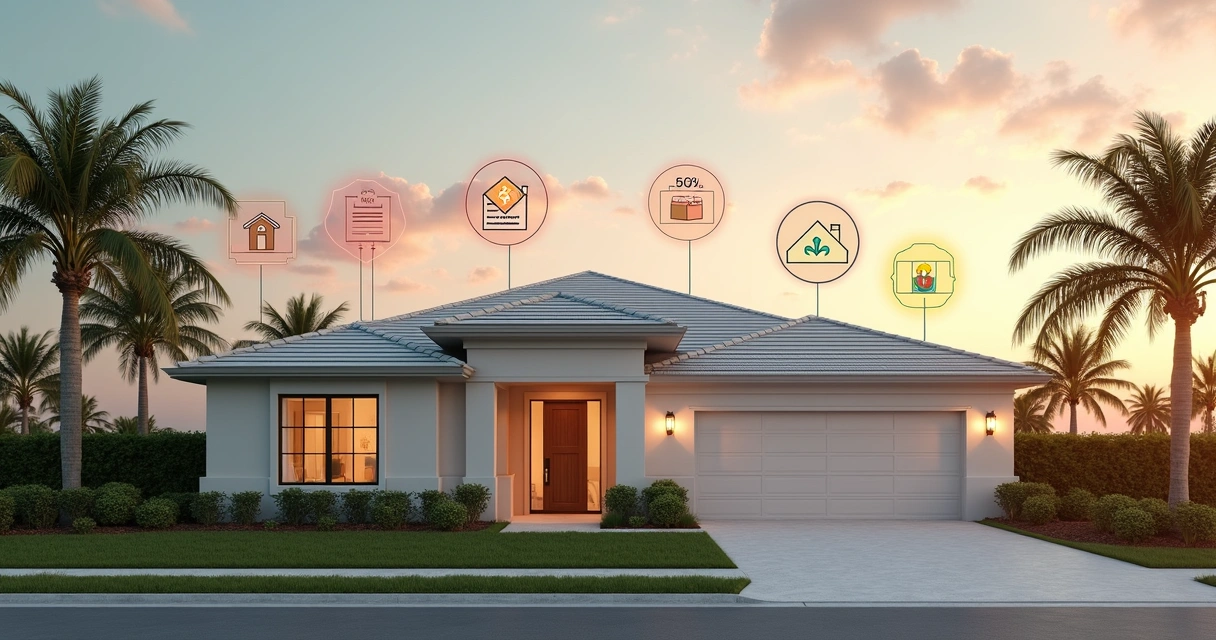
Owning a home in Florida captures the imagination of many, but as I’ve learned in my years working with buyers, the real challenge often lies in understanding the full financial picture before taking the leap. In 2026, the actual monthly housing bill stretches far beyond the amount you see on the mortgage calculator. From loan payments and insurance to property taxes and HOA fees, each piece matters, no matter if you’re seeking your first home or shaping a plan for long-term investing.
Every year, I guide people through these numbers at Heart Mortgage, breaking complicated cost structures into clear decisions. In this article, I’ll walk through each major category: mortgage payment, insurance, property taxes, and HOA dues, summing up 2026 averages and highlighting why simple national statistics never tell the full story for Florida buyers.
Florida mortgage: Typical payments and 2026 rate outlook
When clients ask me what to expect in the coming year, I start with current purchase prices and loan rates. In 2026, Florida’s median home value is projected to hover near $425,000, with coastal cities like Miami and Naples running much higher. The majority of buyers will use a 30-year fixed-rate mortgage. Industry forecasts point to average rates stabilizing close to 6.1% for a conventional loan, but these can shift quickly.
For a $425,000 home with 10% down, the principal and interest payment comes out to about $2,320 per month.Add in insurance, taxes, and HOA fees, and the total required jumps even higher.

I always recommend using the home affordability calculator by Heart Mortgage to factor in today’s rates, as even small changes can reshape what fits your budget. Even among major cities, variations are large enough to change your plan:
- Miami & Fort Lauderdale: 2026 expected median prices: $480,000–$500,000 (monthly mortgage payment around $2,620 with 10% down)
- Orlando metro: $435,000 (about $2,370 per month)
- Tampa–St. Pete: $420,000 (close to $2,290 monthly)
- Statewide rural average: $310,000 (about $1,690 per month)
Loan type and credit score can tilt these figures a lot. At Heart Mortgage, we often help clients review conventional versus alternative loan programs so they don’t lock in to higher payments simply because of one bank’s criteria.
Homeowners insurance: Current averages and 2026 forecast
Property insurance in Florida has gotten national attention for its cost and complexity, mostly because of storms and the state’s unique legal landscape. According to U.S. Census Bureau trends, the median annual cost for homes with a mortgage reached $2,273 in 2023—the highest in the U.S.—and projected market stabilization means we’ll likely see these averages rise only modestly into 2026.
The Insurance Information Institute has reported that 2023 increases were much lower than feared, often under 2% statewide, thanks to legislative reforms. For 2026, my working estimate for most Florida buyers is:
- Median annual premium: $2,390 to $2,500
- Monthly cost: $200–$210 statewide average
- Miami, Palm Beach, Naples: Premiums can reach $4,500–$7,000 per year for waterfront or older homes
- Orlando & Tampa: $2,300–$2,700 per year, about $190–$225 monthly
- Pensacola, Tallahassee: $1,650–$2,100
Homeowners insurance is also influenced by distance to the coast, flood risk, and even roof age or home upgrades. Clients who work with Heart Mortgage benefit from real-time quotes and personal follow-up, rather than getting just a generic estimate.
Property taxes in 2026: What to expect?
Florida’s property taxes look attractive compared to some other states, but everything depends on local millage rates and municipal assessments. According to 2025-2026 data, the weighted average effective tax rate in Florida remains about 0.91% of assessed value, but I often see real-life effective rates from 0.7% up to 1.3%, depending on county.
For a $425,000 house, with full homestead exemption, the yearly tax bill typically ranges from $2,750 to $4,000.Counties like Miami-Dade and Palm Beach skew higher due to higher assessments, while many parts of central and northern Florida can run lower.
- Miami-Dade/Palm Beach: $4,200–$5,000 annually
- Broward: $3,900–$4,200
- Orange (Orlando), Hillsborough (Tampa): $2,950–$3,800
- Rural Panhandle: $1,800–$2,700
Homestead exemption, available to primary residents, can lower property taxes significantly. Whenever I build closing cost forecasts at Heart Mortgage, I encourage buyers to plan for both the first year and what happens after potential reassessment.
HOA fees: Statewide and city averages
Homeowners association charges surprise many buyers, but they cover common amenities and maintenance that can add comfort—or eat into your budget. Based on current and projected trends for 2026:

- Statewide median HOA dues: $175 per month for single-family homes
- Condos in coastal cities: $350–$700 per month, especially in Miami Beach, Fort Lauderdale, Naples
- Planned suburban communities around Orlando and Tampa: $125–$235 per month
- Older/smaller neighborhoods: $60–$150 per month
HOA fees can increase yearly and may include special assessments for upgrades or repairs, so I always stress the need to request several years of association budgets and meeting minutes.Buyers sometimes think HOA fees are all negatives, but when planned well, they can increase resale values over time.
What drives differences between cities or homes?
It’s tempting to only look at headline averages when budgeting your move, but in my work at Heart Mortgage, one thing is clear: every neighborhood and housing type brings its own story. Even two homes in the same zip code may carry unique insurance risks or fall under different HOA rules.
Small details make a big difference in homeownership costs.
A few things that can shift your costs in 2026:
- Coastal vs. inland: Higher insurance, higher property values near the coast
- New construction: Lower insurance at first but sometimes higher taxes due to reassessment
- Historic homes: More expensive to insure, sometimes higher property taxes
- Investor/second homes: Higher insurance premiums, no homestead exemption
For first-time buyers, I suggest visiting the dedicated section for new homeowners at Heart Mortgage before making any offers. It’s easy to underestimate these complex expenses, but direct comparison tools help avoid surprises. If you’re after more local insights, the Heart Mortgage homeownership blog breaks down Florida’s unique costs in depth.
How Heart Mortgage supports real cost clarity
Too often, buyers seek out a single quote, or skim statewide averages, and miss what truly fits their lifestyle and finances. My team at Heart Mortgage stands out by offering a hands-on, transparent, and continuous guidance structure. This is especially key for people facing challenges with traditional loan approval or needing custom mortgage solutions.
When we work together, you:
- Get a full breakdown across all categories: payment, insurance, HOA, and taxes
- Receive real quotes and can compare financing options, not just "average" rates
- Understand what costs change over time, and which are locked in
- Enjoy access to experts in person, by phone, or online
Comparing your options? I always recommend this guide on choosing the right mortgage lender in Florida in 2025 as a starting point. Every step you take with us is aimed at clarity—never guesswork.
Conclusion: Know your numbers, own your Florida future
Florida’s warm climate and lifestyle call to so many, but true peace of mind in homeownership only comes when all costs are mapped out, before you sign any contract. In my experience, those who view their monthly and annual obligations in full—loan payments plus insurance, property taxes, and HOA fees—are able to move forward with confidence, not blind hope.
Heart Mortgage remains committed to putting honest, updated figures in your hands, backed by real support at every step. If you want a personal, detailed Florida quote, or just a conversation about where your budget will stretch, choose a smarter path with Heart Mortgage. Reach out to us for the kind of guidance that takes the guesswork out and puts your home within reach.
Frequently asked questions
What is the average mortgage payment in Florida?
The typical mortgage payment for a median-priced Florida home in 2026, based on about $425,000 value with a 10% down payment and a 30-year fixed-rate loan, is around $2,320 per month for principal and interest. Larger metro areas or lower down payments can result in higher monthly expenses.
How much are Florida property taxes in 2026?
In 2026, most Florida homeowners will pay property taxes ranging from 0.7% up to 1.3% of assessed value, depending on county and available exemptions. For most areas, this equals about $2,750–$4,000 annually for a median-priced home, but urban coastal regions will see higher bills.
What does homeowners insurance cost in Florida?
Based on the most recent data and forecasts, average homeowners insurance premiums for mortgaged homes in 2026 are expected to range from $2,390 to $2,500 per year across the state. Coastal or older homes may see much higher rates, while newer inland homes can qualify for the lower end of the spectrum.
Are HOA fees high in Florida homes?
For single-family homes, average monthly HOA fees are about $175 in 2026, while condos in major metro areas often push $350–$700 per month. Community amenities, property upkeep, and location all play a role in HOA expenses statewide.
How can I lower my Florida homeownership costs?
I find that the best ways to reduce total homeownership costs include shopping for multiple mortgage options, taking advantage of homestead exemptions to lower property taxes, seeking updated insurance quotes with discounts for storm protections, and carefully reading HOA rules for fee structures. For custom strategies, reach out to home buying specialists at Heart Mortgage for coaching tailored to your local area and circumstances.