
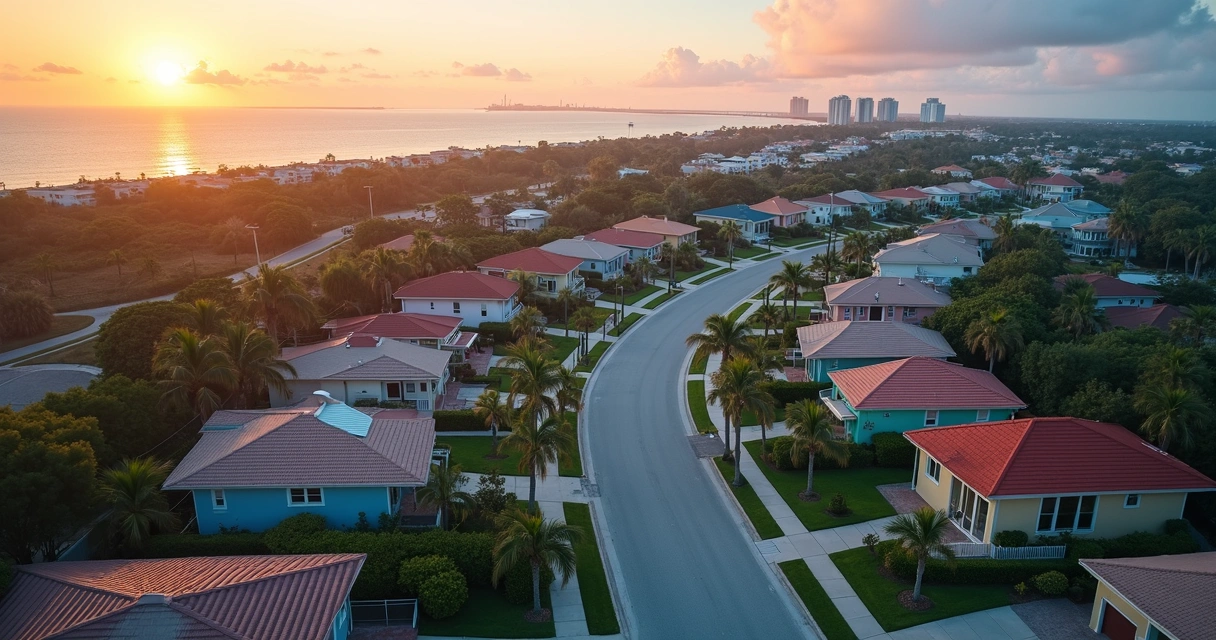
The Florida real estate landscape is always in motion, but as I look at what’s ahead for 2025 and 2026, this market feels at a turning point. Rising inventory, longer days on market, insurance hurdles, and unpredictable rate changes all come together, shaping the decisions buyers and sellers make this year.
Market overview: What's different in 2025 and 2026?
Having observed several real estate cycles, I’ve learned to pay attention not only to prices, but also to factors like home inventory, insurance trends, and the effect of new regulations. Let’s break down the most meaningful shifts happening in the current Florida housing market.
Home prices: Trends through 2025 and expectations for 2026
Throughout 2025, Florida’s median sales price showed moderate increases, but at a slower pace than the rapid jumps we saw in 2021 and 2022. According to reports from Florida Realtors, the statewide single-family median sales price reached around $420,000 by late 2025, with year-over-year growth steady but not explosive. What stood out to me most was a cooling of the “bidding war” environment in many cities. Buyers have more options. Sellers adjust to more measured demand.
Looking ahead, I expect the 2026 median sales price in Florida to hover between $425,000 and $440,000, depending on the specific region. Places like Miami, Tampa, and Orlando will likely remain above the state median, while smaller inland markets might see flatter growth or small drops as inventory continues to build.
Some regions will see prices stabilize—others could see home values inch down.
Inventory levels and days on market: More choice, slower pace
If there’s one statistic I think buyers should focus on, it’s inventory. Over the course of 2025, Florida’s active listing counts rose across most metro areas. Construction picked up, while higher interest and insurance costs cooled buyer demand. The result? Homes stayed on the market far longer.
I’ve witnessed in my own conversations with other agents and clients that it’s now common for homes to linger—sometimes for months. According to recent Redfin data published by Axios, the median Florida home listed in August 2025 took 79 days to go under contract. Nationally, that number was just 49 days. This gap is striking.
- Buyers have more time to weigh options.
- Negotiations shift in favor of the buyer, especially if a property shows signs of extended market time.
- Sellers must get pricing right from the start to avoid sitting idle.
Based on tracking these 2026 Florida housing market trends, I forecast that average days on market across the state will remain elevated. More motivated sellers and a slight rise in newly built stock should keep inventories higher through the next year.
Homeowner insurance: How rates and changes in 2025-2026 affect buyers
Insurance in Florida is one of the most common topics I hear from clients at Heart Mortgage. By 2026, homeowners have seen their average premiums grow sharply—some estimates put the 2025 average over $5,000 per year, with certain zones reaching even higher numbers due to hurricane risk and insurer exits.
The so-called "Citizens depopulation" phase means many policyholders are being moved from the state-backed insurer back to private carriers—or, in some cases, searching for rare specialty products. Changes in reinsurance costs, severe weather claims, and more inspections have made it harder to predict out-of-pocket cost for buyers. I often tell clients:
Budget for higher insurance—plan ahead during your mortgage approval.
While buyers used to rely on well-known companies or defaulted to “bundles,” in 2026 it’s more about shopping, transparency, and specialized advice. Keeping up with these trends lets me help Heart Mortgage customers find the right fit more reliably.
Florida condo laws: Reserve requirements and milestone inspections in 2026
New legislation in Florida has changed how buyers and sellers look at condos—especially units in older or high-rise buildings. After the tragic events in Surfside, state law reshaped reserve funding, requiring many condo associations to complete costly milestone inspections and set aside larger funds for future repairs by 2025 and 2026.
 From my recent work with buyers, condos with pending or incomplete inspections can sit on the market longer. Sellers must disclose inspection results, planned assessments, and updated budgets—and buyers need to ask these questions up front. In some cases, higher monthly dues or special assessments are affecting how condos appraise, which in turn guides what borrowers qualify for via their mortgage.
The best advice I can offer is to request all inspection and reserve fund reports early in the process. For those considering condos, reading about real estate legal changes is a smart place to begin.
Mortgage rates in Florida: Where are they heading in 2026?
The most common question I get is: what about rates? Starting 2026, the 30-year fixed-rate mortgage in Florida fluctuates close to 5.9% to 6.7% depending on borrower profile and property type, according to recent reports shared with me by industry contacts and official sources.
This is a little softer than the peak levels from late 2023, when buyers contended with rates well above 7%. However, it is still a challenge for first-time buyers, who need to factor in higher monthly payments compared to years past.
- The difference between a 6% and 7% rate can mean thousands per year on a $400,000 home.
- Adjustable-rate and non-traditional products can play a bigger role for today’s buyers.
- Getting rate quotes and approvals early—one of Heart Mortgage’s strengths—gives more confidence when making an offer.
For people interested in the numbers, see the in-depth rate analysis at the mortgage rates section of the Heart Mortgage blog.
Programs and support for buyers in a changing market
With all this uncertainty, I often see people hesitate, unsure if it’s the “right” time to buy or refinance. In reality, the answer is personal, and relies on good guidance, honest numbers, and accessible options. Heart Mortgage focuses on all of these—something I see customers appreciate, especially when flexibility or alternative income documentation is needed.
Many Florida buyers are still using incentives and special programs to make homeownership possible. As of 2025 and 2026, the Hometown Heroes program continues to offer targeted down payment help, though timing and eligibility are important.
More information about these programs can be found in the homebuyer sections of my blog.
Conclusion: What now for Florida buyers and sellers?
As I weigh all these trends—the pricing, longer inventory cycles, evolving insurance, legal hurdles, and the turning points in mortgage rates—I feel the story of the 2026 Florida housing market is one of greater choice, but also greater complexity. Success, as I see it, depends on being informed, planning ahead, and working with those who truly understand the landscape.
If you want to be ready for what comes in 2026, make sure your mortgage partner is both experienced and adaptable, like our team at Heart Mortgage. Our specialists can help you compare options, avoid surprises, and guide you step by step, from approval to closing. Reach out today to start your journey or get the latest updates tailored to your needs.
Frequently asked questions
What is the median home price in 2026?
In my latest research, the projected median home price in Florida for 2026 is expected to fall between $425,000 and $440,000 statewide. Certain metros such as Miami and Tampa may exceed this range, while less competitive areas could see smaller increases or stabilization.
How many days do homes stay on market?
Data like the Redfin report cited by Axios shows that homes in Florida had a median of 79 days on market in August 2025. For 2026, I expect a similar trend—typical listings may take two to three months to go under contract, giving buyers more negotiating leverage.
Is it worth buying a home in Florida 2026?
I believe the answer depends on your personal goals and local market. If you need stable housing or plan to hold your property for several years, 2026 can be an attractive entry point due to increased inventory and less competition. Just make sure to factor in insurance, likely assessments for condos, and potential rate shifts before you finalize your choice.
What will drive Florida housing prices in 2026?
Several forces shape the coming year: available inventory, mortgage rates, buyer affordability, insurance expenses, and new legal requirements for condos all play a role. Population growth and continued job migration to the state will help support prices in larger cities, but affordability and market time will keep a cap on big price surges.
How can I find homes with high inventory?
If you want to find neighborhoods or cities with higher inventory, look for areas with substantial new construction, longer days on market, or where price reductions are more frequent. Making use of good local data, plus guidance from a mortgage specialist, can help you target spots where your options are widest. I often recommend checking for detailed market updates in the local Florida lender reviews to see which regions may offer more homes to choose from.