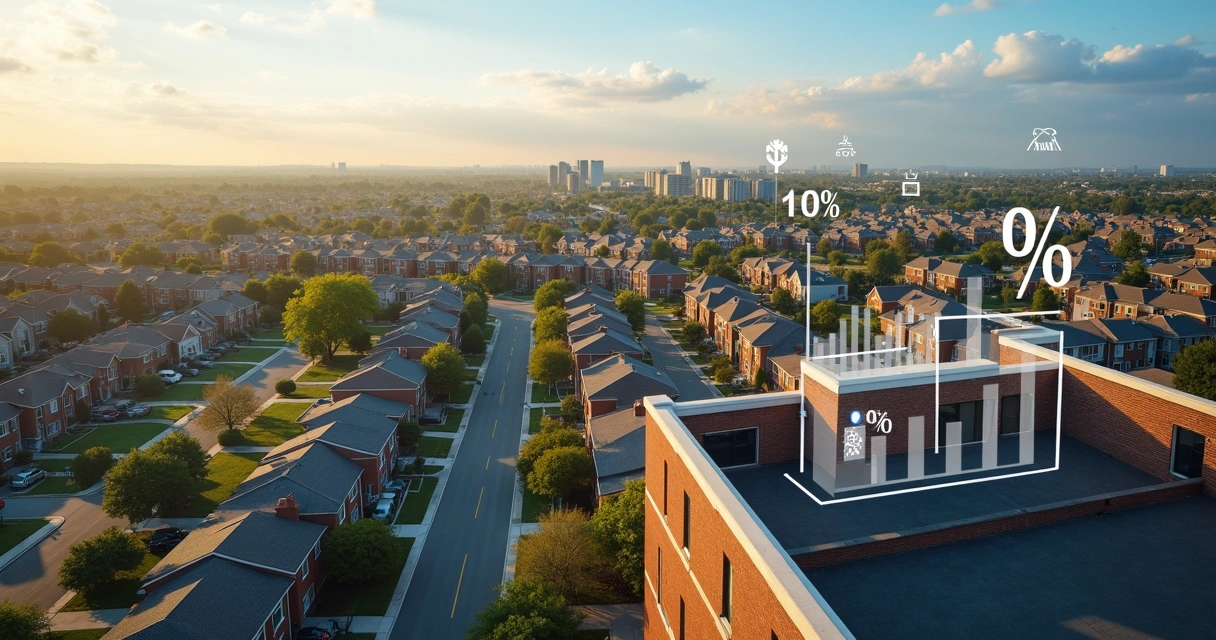

Investing in property has always been one of the soundest ways to grow wealth. In 2026, this is still true—but the opportunities are shifting, and some U.S. cities shine much brighter than others for those looking to build, protect, or diversify their portfolio through real estate.
Through years of watching both ordinary buyers and seasoned investors make life-changing choices, I've learned that a well-timed move into a promising market can change everything. Let me guide you through the most promising cities, what makes them stand out, and how you can approach these markets with a clear strategy, especially if you want not only to invest but to secure tailored financing, such as those offered by Heart Mortgage.
What to look for in a strong property investment market
Before diving into the rankings, it helps to clarify what I look for when evaluating real estate investment markets. Some principles have held true no matter how the economy shifts:
- Rental yield, The performance of a rental property, expressed as a percentage of its value, determines how likely you are to generate steady cash flow.
- Market growth and housing appreciation, I always monitor median house price trends, acceleration, or slowdowns to gauge return potential over time.
- Population trends and job creation, Cities that attract people for work, lifestyle, or affordability usually support strong rental demand and price growth.
- Affordability and entry points, Lower median property prices relative to rents can mean easier entry for new investors and more sustainable returns.
- Urban growth and infrastructure, Ongoing development, transport improvements, and revitalization often forecast long-term gains.
- Regulatory climate, Property taxes, rent controls, and lender friendliness matter more than many realize, especially when planning cross-border or remote investments.
That’s why, when narrowing down the top U.S. cities for real estate investors in 2026, I made sure to back every recommendation with current data, local insights, and what I’ve learned working alongside experts like the team at Heart Mortgage.
The best city to invest in is the one aligned with your financial goals and risk profile.
Data-driven approach: Sources and transparency
Ranking these cities isn’t personal taste. It’s the result of reviewing rental rates, population and job statistics, home price appreciation forecasts, and new research such as the Florida International University study (January 2025) that highlighted outstanding housing markets by premium figures.
I also pay attention to:
- Metropolitan planning forecasts for urban growth.
- Local economic development figures.
- Insurance and property tax costs (critical for real cash flow calculation).
- Reports on rental vacancy and demand.
As I move through each city, I’ll mention these factors where they matter most. For a closer look at investment strategies in the USA, I consider this strategy guide very useful reading.
The 2026 list: Best U.S. cities to invest in property
Here we go—my researched and data-backed ranking of the top ten U.S. cities for property investment in 2026, with specifics on what makes each an appealing choice, along with the challenges you should consider.
1. Detroit, Michigan
Detroit has fully moved past old stereotypes. Housing there is appreciating faster than almost anywhere in the country. According to the 2025 Florida International University study, Detroit offered a whopping 26.796% housing market premium, putting it solidly in first place nationwide.
- Median Home Price (2025): Still below the national average—often well under $200,000 even with recent growth.
- Rental Demand: Consistently high due to affordability and population returning to the city core.
- Appreciation Rate: Strong upward trend over the past five years, with steady double-digit annual growth expected through 2027.
- Regional Benefits: Downtown revitalization, tech job creation, and increasing urban amenities.
In my experience, Detroit is suitable for those seeking both high cash flow and robust appreciation. Investors still need to pay special attention to block-by-block differences and ensure proper due diligence on neighborhood trends, property conditions, and local ordinance updates.

2. Cleveland, Ohio
Cleveland is another Midwest city that’s transformed itself from industrial decline to a highly desirable destination for investors. It ranked just behind Detroit in the 2025 FIU study, signifying impressive market growth.
- Entry Point: Median prices remain among the lowest of any major metro area in the U.S.
- Rental Yields: Frequently as high as 9-12% gross in good neighborhoods.
- Tenant Demand: A big market for both long-term residential and short-term furnished rentals, due to medical, educational, and tech sector draw.
- Growth drivers: University expansion, hospital investments, and steady job creation.
Rental demand has been growing steadily, but I’ve noticed that some neighborhoods still vary greatly in terms of turnover and property conditions. You must visit or have a trusted local partner before buying.
High yield doesn’t mean high headache—vet neighborhoods carefully.
3. Las Vegas, Nevada
Traditionally known for hospitality and entertainment, Las Vegas has spent the past decade expanding in entirely new directions, with tech and distribution jobs boosting its population and demand for housing. As the FIU study showed, Las Vegas’ market premium places it squarely among the best bets in 2026.
- Home Value Growth: House prices rose nearly 15% between 2022 and 2025, with no major slowdown in sight.
- Rental Return: Strong, especially for single-family homes and condos near job growth areas.
- Property Taxes & Insurance: Comparatively low in Nevada, helping real cash flow.
- Risk note: Water policy adaptation and growing environmental regs could affect long-term planning, so keep an eye on local news.
It's not just casino workers: I’ve spoken with many first-time investors, including out-of-state residents, finding solid support from brokers and lenders familiar with remote transactions—much like what is offered by Heart Mortgage’s personalized online support.
4. Raleigh, North Carolina
Raleigh’s growth is driven by tech-sector jobs, universities, and a steady influx of remote workers. The population continues to surge, pushing up both home values and rental rates.
- Median Price (2025): Around $415,000—well-priced for the region’s income and economic outlook.
- Rental Demand: Growing, with vacancy rates often under 5% even as new projects open.
- Economic Drivers: Tech, research, medicine, and universities—the “Research Triangle” means well-educated tenant bases and future appreciation.
- Investor Entry: Popular for DSCR loan programs and investor-friendly mortgage products. Get more insight in this DSCR loan guide for North Carolina investors.
Raleigh’s strong appreciation is not just for short-term flippers. Investors focused on buy-and-hold strategies often find both low turnover and steadily rising rent.
5. Phoenix, Arizona
Phoenix’s property market has been popular for years, but new waves of migration and sustained job growth in healthcare and technology keep it firmly on investors’ radar.
- Median Home Price: Around $430,000 (Q1 2026), but with a range of submarkets under $350,000.
- Rental Demand: One of the lowest vacancy rates for a metro of its size, thanks to steady migration and affordability.
- Population Growth: Among the fastest in the country, according to Census projections.
- Market Risks: Water management policies are becoming more central, but risk-adjusted returns remain excellent in suburbs focused on sustainable planning.
Short-term rental regulations are evolving, so check local rules if you’re using platforms or marketing to corporate travelers.
6. Tampa, Florida
Tampa’s rise as a top market is pushed by a combination of affordability (compared to Miami or Orlando), business expansion, and a tourism rebound.
- Median Price: $385,000 (Q1 2026)—still practical for first-time investors and value-focused landlords.
- Rental Market: Young professionals and retirees drive steady demand, with average yields over 6%.
- Urban Developer Vision: Investments in transit, green spaces, and cultural facilities add long-term value.
- Regulatory Snapshot: Property taxes are moderate; hurricane insurance is a cost factor, especially closer to the coast.
7. Dallas-Fort Worth, Texas
Dallas-Fort Worth is a giant on the U.S. investment map—huge population growth, relatively affordable entry points compared to other major metros, and a diverse economy.
- Median Price: $370,000 (2025 average), with plenty of suburban stock well below that.
- Rental Yield: Consistently healthy (often 7%+ in affordable pockets).
- Population Surge: Over 200,000 new residents projected between 2024 and 2027 according to local government reports.
- Key Challenge: Some areas facing property tax hikes and rising insurance costs—check specifics for the zip code you’re eyeing.
I have found that first-time buyers get good support from lenders and brokers with experience guiding them through the purchase—Heart Mortgage’s step-by-step process is a good model to follow.
8. Columbus, Ohio
Columbus is another Midwest story of smart growth. Technology sector investment and a strong student population underpin both rent and appreciation.
- Home Price: Median of $315,000—attractive for the region’s salary levels.
- Rental Market: Low vacancy, high long-term renter percentage.
- Economic Drivers: State government, Fortune 500 presence, college town vibrance.
- Downsides: Check for property condition in older neighborhoods; infrastructure upgrades may be needed.
Properties close to major campuses or new tech corridors are seeing double-digit annual appreciation.
Strong job growth often means stable returns for investors.
9. Charlotte, North Carolina
Charlotte's steady rise is fueled by its financial sector, a flourishing small business scene, and continued migration from higher-cost states.
- Median Home Price (2025): $400,000—with various neighborhoods and suburbs offering strong rental yields.
- Rental Demand: Fast-growing, especially among millennials and families.
- Urban Growth: Major expansion in light rail, parks, and public amenities.
- Market Challenge: Rapid appreciation is shifting some affordability balances—focus on up-and-coming neighborhoods for better entry points.
Charlotte’s growth is consistent, and I find younger investors especially drawn to its mix of affordable condos and solid single-family homes.
10. Kansas City, Missouri
Kansas City rounds out the list with impressive rental yields, affordability, and a strong local economy.
- Home Price: Median of $285,000—entry remains accessible for new investors.
- Rental Returns: Among the highest gross yields of any mid-sized city.
- Economic Outlook: Growth in logistics, business services, and healthcare jobs.
- Market Watch: Be mindful of neighborhood by neighborhood variation, and look for near-term infrastructure upgrades as a sign of future gains.
Kansas City has seen an uptick in outside investors—it's one of the few metros where a mix of appreciation and stable rent returns is still going strong in 2026.
Beyond the rankings: Regional opportunities and trends
While the list above covers high-impact metros, I believe it’s also smart to look for promising suburban pockets, smaller metros, and emerging second cities where price-to-rent ratios remain favorable. My experience tells me that flexibility and local knowledge are powerful allies.
- College towns and suburbs near high-growth urban centers often provide outsized rents.
- Sunbelt cities—like Raleigh, Phoenix, and Dallas—keep growing, but affordability is tighter than in Midwest markets such as Detroit or Columbus.
- Markets with new infrastructure—light rail, business parks, or large medical facilities—are magnets for new jobs and tenants.
See more property investment market updates and location trend analysis on the Heart Mortgage real estate hub.
Key considerations before investing in a new city
No data set alone can tell you whether a property will fit your financial plan or risk tolerance. I always recommend a combination of research and planning:
- Due diligence counts, Always look beyond the headlines. Walk (or virtually tour) the neighborhood, ask about local school districts, crime rates, and tenant demand.
- Insurance and taxes, These can erase profit. Calculate all regular costs before buying.
- Financing strategy, Every local market is different: look for lenders, like Heart Mortgage, with access to tailored programs such as DSCR loans or investor-specific mortgages.
- Exit plan, If your plan or the market shifts, can you resell, rent, or hold profitably?
- Rental regulations, Stay up to date on city, county, or HOA rules about short-term, vacation, or multifamily rentals. The legal environment will affect both returns and strategies.
If you want a straightforward primer on starting your investment journey, this step-based guide walks through the basics and explores real-life scenarios.
Smart strategies for first-time and seasoned investors
Whether you’re new to property or have a portfolio of rentals, the same basic approach strengthens every investment:
- Start with clear goals. Are you after cash flow, long-term appreciation, or both?
- Gather market-specific data; don’t rely on “average returns.”
- Visit the city if possible. If not, dig into local forums, talk to property managers, and consult lenders who work with out-of-state buyers.
- Build local partnerships for on-the-ground support: contractors, managers, real estate agents, insurance experts.
- Stress-test your finances. Can you cover the mortgage and fixed costs if your property sits vacant for a few months?
- Review your backup and exit plans every year—conditions change, and flexibility protects your investment.
If you need guidance through the mortgage process, I have found that personalized support, like what Heart Mortgage provides, often makes the difference in closing on the right terms, especially for non-resident investors or those building portfolios across different states.
The right advice, tailored to your needs, can add as much value as the property itself.
How to qualify for specialized financing in top markets
One thing I hear all the time from new investors: “Will I qualify for a mortgage in that city?” Requirements and programs differ from market to market. Here’s what I recommend:
- Check your credit early—each lender’s thresholds are different, and some programs, like DSCR loans, may be more flexible on personal income and focus more on the property’s earning potential.
- Collect your documentation (tax returns, pay stubs, property income projections).
- Engage specialists who know how to structure deals for non-traditional borrowers. For example, Heart Mortgage works frequently with investors who may not qualify at a big bank but have strong rental prospects.
- Watch for local incentives. Some cities or states offer buyer credits, tax abatements, or historic property programs.
If you are buying out of state or as a foreign national, having experienced help is non-negotiable. The regulatory steps and risks differ, and expert support ensures your deal stays on track.
Anticipating risks and rewards
Every city has its pros and cons, and even the hottest markets can lose steam if economic conditions shift or new regulations arrive. Here’s how I weigh risk:
- Stay diversified—don’t put all your resources in one city or property type.
- Monitor insurance and regulatory trends, especially for climate-sensitive areas like Florida or the West.
- Review rental demand and local development plans annually. Markets like Detroit, Cleveland, and Charlotte have “sweet spots,” but trends shift over time.
- Be prepared for turnover. Strong tenant screening and ongoing property maintenance protect yield.
I advise reviewing resources covering everything from market analysis to investment mindset on the Heart Mortgage investment blog.
2026 outlook: Is now the right time to invest?
Housing cycles have always created new opportunities for those who are prepared. The next two years look especially promising for buyers with capital, a willingness to adapt, and the right advice. The move from the coasts to interior metro areas and university hubs is ongoing, and many of the best performing cities still offer affordable entry points with balanced risk and reward.
My personal tip: take action when the data and your plan align, not when the news headlines are most optimistic or pessimistic. The best returns usually go to those who do their homework, move before the crowd, and manage their properties with care.
Conclusion: Your next step in U.S. property investment
2026 offers exceptional choices across the U.S., from the fast-transforming Midwest to hot Sunbelt cities and tech hubs. Each city on this list has its reasons for attracting investors—stability, growth, strong rental yields, or simply a lower barrier to entry.
But your next step is as personal as your fingerprints. It depends on your goals, resources, willingness to manage risk, and partners you choose. If you’re ready to seize opportunities in any of these cities, now is the time to connect with specialists who understand the process from loan approval to closing, like the team at Heart Mortgage.
If investing in property feels like the right move this year, learn more about how Heart Mortgage can help you secure the best terms, avoid pitfalls, and turn opportunity into reality. It’s never too early to start your journey—reach out today.
Frequently asked questions
What are the top cities for real estate investment?
As of 2026, leading cities include Detroit, Cleveland, Las Vegas, Raleigh, Phoenix, Tampa, Dallas-Fort Worth, Columbus, Charlotte, and Kansas City. Each combines strong rental yields, job growth, population increases, and housing appreciation, making them favorable for investors. This ranking reflects recent market studies and on-the-ground trends discussed above.
How do I choose the best city to invest?
Choosing a city for property investment starts with your personal goals. Ask yourself whether you want cash flow, appreciation, or both. Review market data for rental yields, property prices, and long-term growth. I recommend researching population trends, job creation, and local regulations. Personally visiting neighborhoods or working with trusted partners can reveal insights data alone may miss.
Is it safe to invest in real estate in 2026?
While no investment is without risk, buying property in 2026 can be a safe choice with proper research, planning, and support from mortgage and legal experts. Look for cities with growing economies, rising rental demand, and stable governance. Always include insurance and regulatory changes in your calculations, especially in climate-sensitive regions.
Where can I find affordable properties to invest?
Affordability varies by region. In 2026, Midwest markets such as Detroit, Cleveland, and Kansas City offer some of the lowest barriers to entry. Suburban areas outside fast-growing metros like Dallas or Raleigh often present good value. I suggest reviewing listings in emerging areas, considering market research, and consulting professionals who know current inventory and pricing.
What factors make a city good for investors?
Several factors shape a strong investment city: high rental yield, population and job growth, property appreciation, affordable entry prices, steady rental demand, and investor-friendly regulations. Successful investors look for cities with plans for urban development, new job sectors, and low vacancy rates. Local support and professional advice further improve results.