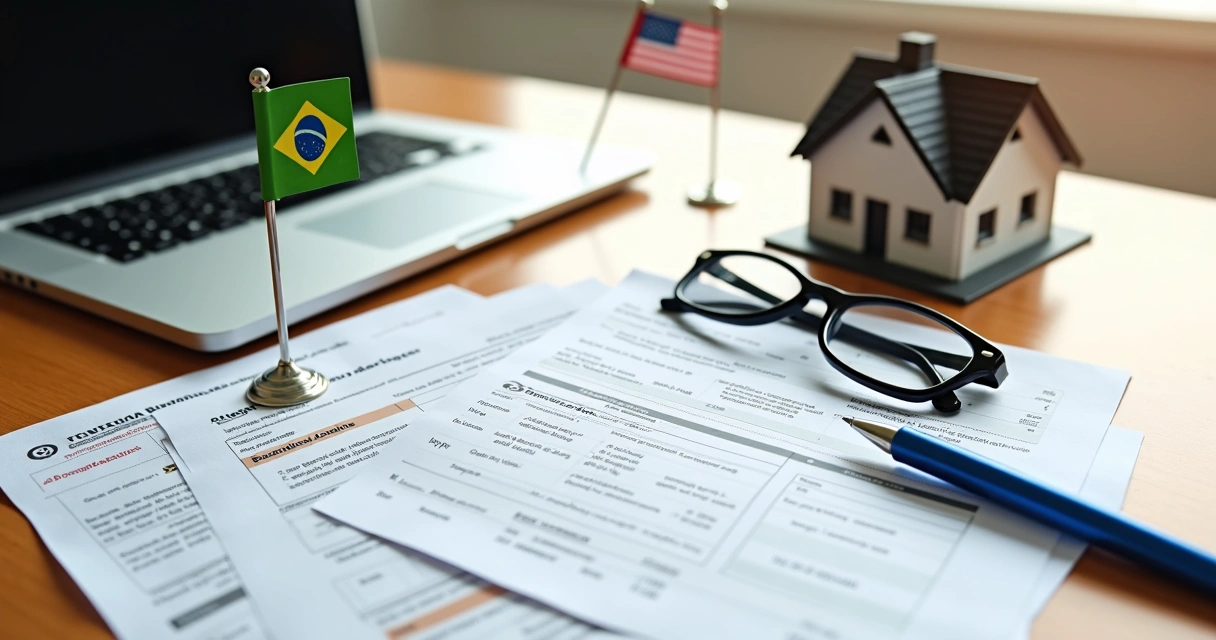

If there’s one moment in the home buying process that often feels more momentous than any other, I believe it’s when a buyer receives that first mortgage pre-approval letter. I have seen first-time buyers carry it around like a backstage pass at a concert, with eyes wide open to the possibilities of homeownership. Yet, in conversations with friends and clients alike, I notice substantial uncertainty about its true meaning and function. In this article, I want to offer a clear, practical guide to understanding the purpose and substance of pre-approval letters, drawing on both authoritative definitions and the real-life touch of Heart Mortgage’s expertise.
The definition: What is a mortgage pre-approval letter?
If you ask an expert, say from the Consumer Financial Protection Bureau or Fannie Mae, the answer is precise but a bit dry. A mortgage pre-approval letter is a written statement from a lender indicating that, based on provided financial documentation, you qualify for a specific loan amount to purchase a home.It is not a commitment to lend, but an early assessment that precedes official approval.
From my experience and research, the letter typically states who you are, how much you could borrow, and outlines some of the loan’s terms. It follows a review of your credit report, income, assets, and debts—so it holds more weight than a casual estimate or “pre-qualification.” Fannie Mae, for instance, echoes that a lender issues such a letter after verifying your information, which shows sellers you are a serious buyer.
Why is a pre-approval so valuable in the mortgage process?
I often tell buyers, the value of a pre-approval letter is not just in the paper it is printed on, but in the doors it helps open. The home market can be competitive, and time lost equals opportunities missed. Sellers and real estate agents rarely take offers seriously unless accompanied by a tangible sign you can truly buy the property. That tangible sign is, more often than not, the pre-approval letter.
A pre-approval letter is your permission slip to shop with confidence.
There are several reasons why I see pre-approval as vital for buyers:
- Knowing your purchase power: By confirming your budget, you avoid heartbreak from looking at homes outside your range.
- Sellers see you as credible: Pre-approval gives weight to your offer. Sellers are more likely to choose your bid over a similar one without proof of qualification.
- A smoother and faster transaction: With financial verification already in place, the loan process speeds up, reducing the risk of late-stage surprises.
- The ability to negotiate: Buyers with pre-approval letters sometimes find they can negotiate better, since sellers worry less about the deal falling through due to loan issues.
When buyers ask me why pre-approval matters, I often describe it as “unlocking next steps.” It moves you from a casual looker to someone ready for real action. If you want to understand even more details, there’s a great, detailed breakdown offered by Heart Mortgage in their pre-approval guide for buyers.
How does pre-approval strengthen your offer?
In my experience, a pre-approval letter can change the entire feeling of your home offer. Sellers and their agents want minimal hassle; they look for signals that the sale will move efficiently and actually close. If you can provide concrete evidence that a lender has already reviewed your financials—rather than just “thinks” you might qualify—you move way up their list.
I have witnessed situations where offers without pre-approval get ignored, or accepted offers get delayed as buyers scramble to catch up. With pre-approval in hand, you can make decisions and move forward rapidly, which can make all the difference in a heated market.
If you’d like specifics about preparing your offer with confidence, take a look at Heart Mortgage’s article dedicated to how to get pre-approved for a mortgage. I genuinely recommend reviewing these resources as they distill years of industry expertise.
What information is needed for a pre-approval?
Getting pre-approved will feel a lot like a mini loan application, and I always tell clients to come prepared. Lenders usually request:
- Proof of income (recent pay stubs, tax returns)
- Proof of assets (bank statements, retirement accounts)
- Identification (passport, driver’s license)
- Credit history (your Social Security number is needed for this check)
- Details of outstanding debts or other obligations
Once these documents are reviewed, the lender will assess your debt-to-income ratio, credit score, and other relevant factors. Based on these, they issue your pre-approval letter, often within a few days. Some programs, such as conventional mortgages, may have additional requirements. For more program-specific advice, I point people toward Heart Mortgage’s conventional loan information.
Can anyone get a pre-approval letter?
This is a common question. I think it’s fair to say that while pre-approval is widely accessible, it is not automatic. Lenders have their own criteria, and not everyone qualifies immediately. Some buyers face challenges due to non-traditional income, recent credit setbacks, or lack of formal US bank relationships. Here’s where, in my opinion, Heart Mortgage stands out.
Through my professional contacts, I’ve seen Heart Mortgage help clients who are investors, foreign buyers, or first-timers—people who might not fit the typical “bank” profile. With hands-on guidance and an honest review of documents, their team offers customized solutions instead of “cookie-cutter” answers. If you’re unsure about your own situation, browsing resources for first-time home buyers may help.
The difference between pre-qualification and pre-approval
I’m often asked if there’s a difference between pre-qualification and pre-approval. The answer is simple but significant. Pre-qualification is a preliminary conversation; the lender relies on information you provide verbally or online but typically doesn’t verify your financials. Pre-approval dives in deep, with real documents in hand, and a full review of your credit and finances.
Pre-qualification gives you a ballpark. Pre-approval gives you real numbers.
When it really matters, agents and sellers will look for pre-approval every time.
How Heart Mortgage supports your journey
Through everything I’ve seen professionally, buyers want guidance as much as they want approval. With Heart Mortgage, borrowers have the support of skilled advisors who understand not just the paperwork, but also the hopes and urgency behind it. Clients get step-by-step instructions, competitive rates, a clear communication plan, and help with special situations—so the pre-approval process is less intimidating. I’ve seen this make all the difference for both seasoned buyers and those starting their journey.
I encourage clients to browse the Heart Mortgage blog for more advice, case studies, and tips.
Conclusion: Making your next move count
From what I’ve observed, a pre-approval letter is more than a routine document; it’s your green light to move ahead in the home buying process with focus and credibility. It clarifies your financial reach, lets you shop smarter, and dramatically strengthens your offer. With help from the experts at Heart Mortgage, every step is explained and personalized, giving even those outside the traditional bank universe a real opportunity.
If you’re ready to move from dreaming about a new home to making it your reality, reach out to Heart Mortgage today. Discover how a team with experience, integrity, and transparent advice can help you find—not just a house—but the keys to your future.
Frequently asked questions about pre-approval letters
What is a mortgage pre-approval letter?
A mortgage pre-approval letter is an official letter from a lender stating that, based on your financial information and credit history, you qualify for a certain loan amount to buy a home. The lender verifies your income, assets, debt, and credit report as part of this process. It’s a powerful indicator to sellers that you are prepared and able to purchase.
Why do I need a pre-approval letter?
Having a pre-approval letter allows you to show sellers and agents that you are a credible, ready buyer with access to required financing. It provides clarity on your budget and helps you avoid surprises later in the process. It can also make your offer more attractive in a competitive market.
How does pre-approval affect my home offer?
Pre-approval usually moves your offer to the top of the list, since sellers and their agents know a lender has already reviewed and verified your finances. It reduces the risk for the seller and shows that you can quickly and reliably close on the property. Many offers without pre-approval aren’t even considered in a busy market.
How long does a pre-approval letter last?
Most pre-approval letters remain valid for about 60 to 90 days, depending on the lender’s policy. If you take longer to find a home, you may need to provide updated financial documents and request a new letter.
Does pre-approval guarantee mortgage approval?
No, pre-approval is not a final commitment to lend. It is based on your information at the time of review. The final approval process will also include an evaluation of the property, and any changes in your finances could affect the result. Still, pre-approval makes the path to a full mortgage much clearer.