If you dream of buying a home in a quieter area, you might already know about programs that make homeownership possible without a hefty down payment. But there’s one you shouldn’t overlook: the USDA home loan. After years working with all sorts of buyers—families, first-timers, and investors—I’ve watched how this program opens doors, especially for those who sometimes doubt they’ll ever own a home in the United States. Drawing from my experience and Heart Mortgage’s hands-on support of buyers, here’s my guide to understanding the full picture of what USDA-backed loans really involve.
What makes a USDA home loan unique?
USDA loans are designed for people ready to settle in rural or some suburban communities. The United States Department of Agriculture (USDA) created the program to help make homes accessible for qualified buyers with limited savings, sometimes uptight credit, and a wish to plant roots outside busy metro areas.
No down payment. No kidding.
Most buyers I talk to find it hard to believe at first. The USDA program doesn’t just help with low fixed interest rates, but eliminates the need for a traditional down payment for eligible buyers. That can mean a world of difference if saving up for 20% down feels out of reach.
Who qualifies for a USDA-backed loan?
From my work helping clients at Heart Mortgage, I see three main sets of requirements that matter:
- Income limits tied to the area’s median income
- Property location must be approved as “rural” by USDA’s map
- Home must serve as your primary residence
But even when these seem straightforward, questions always come up. Let's step through the major points so you know where you stand.
Income limits explained
Your household income must not exceed 115% of the median income for the area where you wish to buy. USDA updates these income caps each year and they vary by location and family size. If you have dependents, your cutoff could be higher than a single buyer. This approach helps broaden access for families in growing suburban or rural zip codes. For more on specific numbers and scenarios, the Heart Mortgage mortgage programs overview lays out common thresholds for various states and cities.
Property location and eligibility
This is where details matter. Not every home outside a large city meets USDA’s definition of rural. The official USDA eligibility map checks an address so you can see if a property matches what’s required. In my experience, many growing suburbs and “bedroom” communities on the city’s edge also qualify—so don’t automatically rule yourself out just because you’re not farmland.
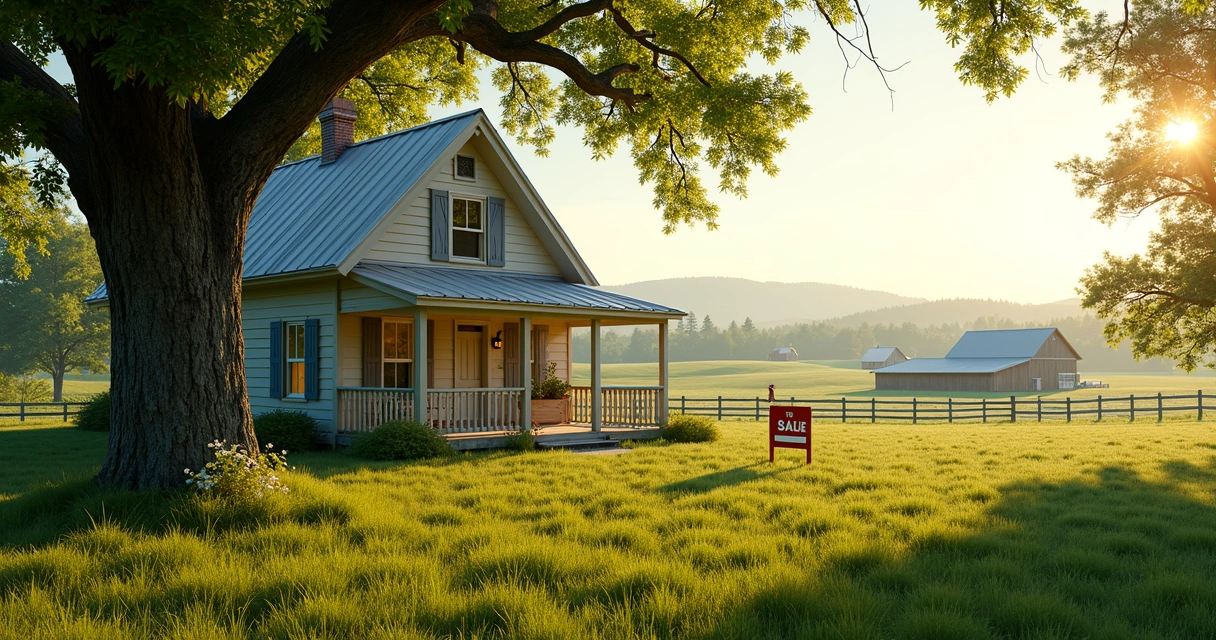
What matters: the property has to be in a zone designated by USDA as eligible, and you must use the house as your main home. No vacation homes or investment properties for this program.
Minimum credit score and financial factors
I’ve seen buyers approved with scores as low as 640, but higher is always better for smooth processing. That said, the USDA looks at more than your three-digit number. They want to know your debt-to-income (DTI) ratio—meaning, the percentage of your gross monthly income that goes toward debts, like credit cards or car loans. Typically, you’ll want your DTI under 41%, but exceptions sometimes happen if you have other strong financial factors.
Even if your credit is imperfect, don’t give up. Other programs like FHA sometimes work if USDA is out of reach, and it’s always smart to discuss options with experts like those at Heart Mortgage.
Steps for applying—what does the process look like?
From the outside, mortgage application seems complicated. But I’ve watched, and guided, buyers through these steps more times than I can count:
- Check eligibility for income and property location
- Collect needed documentation like pay stubs, tax returns, and bank statements
- Apply with a USDA-approved lender
- Get credit checked and DTI calculated
- Property goes through a USDA appraisal for value and standards
- Wait for final USDA loan approval before closing
One thing I always recommend: Don’t make big purchases (cars, appliances, etc.) or take out new credit cards while your loan is processing. It’s not the time to shake up your credit or DTI.

Down payments and mortgage insurance—what sets USDA loans apart?
Perhaps the biggest draw for my clients: no down payment required for USDA-backed mortgages. While you still need regular closing costs, the lack of a big upfront cash ask is a massive relief.
USDA loans do include two types of mortgage insurance: a one-time guarantee fee at closing (currently 1% of the loan amount) and an annual fee (about 0.35% of the loan balance, divided monthly). These numbers are usually much less than private mortgage insurance (PMI) on conventional loans with less than 20% down.
To compare insurance, requirements, and other loan types, you might appreciate the clear breakdowns found in the Heart Mortgage complete guide for homebuyers.
Practical tips for approval and success
If you’re working toward USDA loan approval, these strategies have made a difference for my clients:
- Check your eligibility early—property and income rules can shift, so don’t delay
- Gather documents before starting, to speed up application review
- Ask for pre-approval. It strengthens your offer and gives you a budget range
- Reduce outstanding debts if you’re close to the DTI limit
- Work with specialists who have first-time homebuyer experience, especially if you’re new to U.S. financing
In my opinion, those who lean on experienced mortgage professionals—like the team here at Heart Mortgage—often avoid the surprises and stress that can pop up in the process. Honest, expert guidance isn’t about pushing loans; it’s about clearing away confusion and getting you to the closing table as quickly as possible.
USDA loans and homeownership dreams
Rural and suburban communities offer peace, affordability, and strong neighborhoods. With the right support and correct loan program, settling down feels possible. If you want to keep reading and learning, I suggest checking the Heart Mortgage homebuyer advice blog, where real problems meet real-world solutions for buyers like you.
Ready to see if a USDA-backed mortgage could open the door to your next home? Explore how Heart Mortgage can help you every step of the way, from checking eligibility to approval, at every turn. Get in touch and put experienced hands to work for your American dream.
Frequently asked questions
What are the basic USDA loan requirements?
You need to buy a home in an eligible rural or suburban area, meet income guidelines based on local median earnings, use the house as your primary residence, have a reasonable credit history, and work with a USDA-approved lender. There’s no required down payment, but you’ll have to pay a small upfront and annual mortgage insurance fee.
How do I qualify for a USDA loan?
Eligibility depends on household income compared to local limits, the property’s USDA-eligible location, and your ability to handle monthly payments. Lenders will look for a minimum credit score (often at least 640), a manageable debt-to-income ratio, steady income, and citizenship or eligible immigration status.
Is a USDA loan good for first-time buyers?
Yes, many first-time buyers benefit from USDA mortgages. Zero down payment, flexible requirements, and low mortgage insurance costs make it especially helpful for those with modest savings or limited credit history. Our guide for first-time homebuyers covers even more tips on getting started.
What areas are eligible for USDA loans?
Rural zones, small towns, and some growing suburbs may be included. Use the USDA eligibility map to check specific addresses. Just because an area isn’t remote doesn’t mean it’s excluded—many suburbs at the edge of metropolitan regions are covered.
How much can I borrow with a USDA loan?
There’s no official maximum loan amount. What you can borrow is based on your income, debts, the property's value, and local loan limits set by USDA. The lending team assesses your ability to handle future payments. A detailed review at the start saves time later.