

Owning a home is a dream many share, but in my years studying the U.S. market and working with countless individuals, I’ve realized it’s about more than having a place to live. It’s a path to wealth and stability that’s simply unavailable to renters. Right now, in 2026, the numbers, research, and my own experience make it clear: homeowners build wealth significantly faster than renters, and several powerful factors are behind this gap.
What sets homeowners on a different wealth path?
As someone who has seen both sides—renters hoping to buy and new buyers unsure if the sacrifice is worth it—I often break down the answer into practical building blocks:
- Home equity grows over time
- Paying down the loan acts as forced savings
- Housing values usually rise, creating appreciation
- Owning a home can provide tax savings in the U.S.
- Mortgage allows buyers to control high-value assets with a lower upfront outlay
Let me show you why these factors matter so much, both at a personal level and nationally, with a look at research from places like the Federal Reserve Survey of Consumer Finances. The difference is not small—it is sometimes the foundation for lifelong prosperity.
Equity and appreciation: Where wealth starts to build
Every month you make a mortgage payment, part of your money pays down principal. Over years, your ownership stake in the home increases. This is equity. Unlike rent (which disappears), equity is yours to keep or borrow against. What’s more, conventional mortgage programs let most buyers start with just a modest down payment.
As the value of your home goes up over time—known as appreciation—your equity rises faster than what you invested. It’s not a guarantee, but American real estate, on average, has appreciated over the past decades. That gap between what you owe and what your home is worth keeps growing, even if you just live quietly and pay your bill.
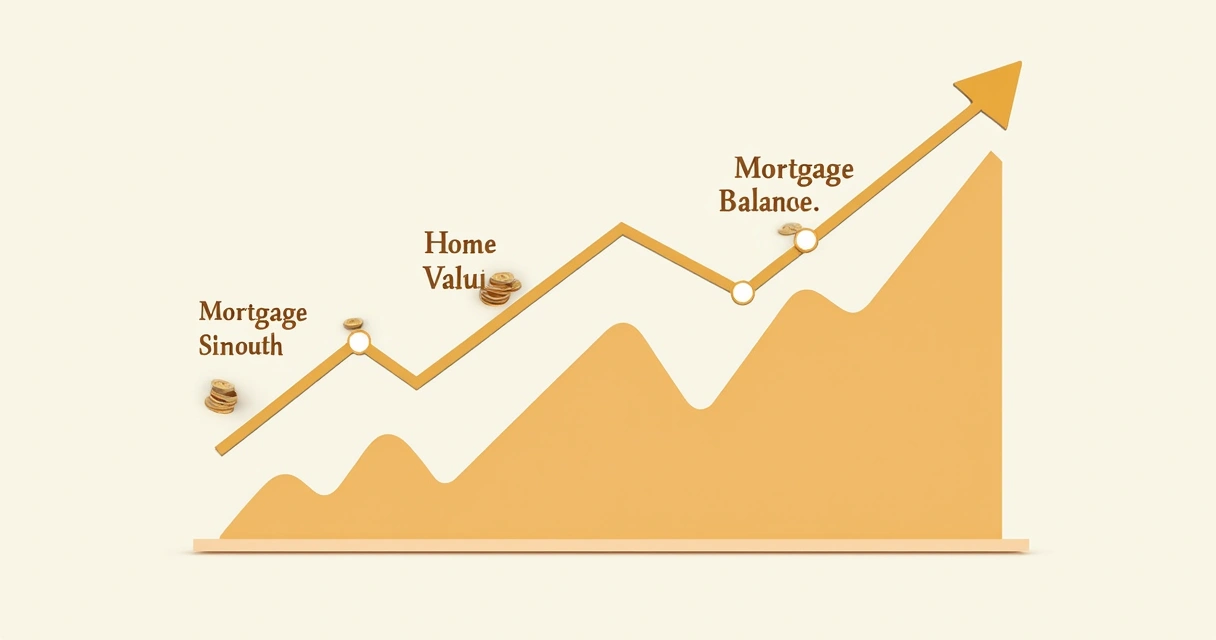
Amortization: Forced savings you barely feel
People talk up saving money, but most of us save less than we hope. Paying principal with each mortgage payment quietly enforces discipline. This ‘forced savings’ effect is something I see over and over—after a decade, that regular payment unlocks tens of thousands in wealth for homeowners. Renters, by comparison, see none of that.
Mortgage payments build equity, not just keep a roof over your head.
Tax benefits: The hidden engine for wealth
Owning a home in the United States comes with several powerful tax advantages, especially for those who itemize deductions. The IRS lets many homeowners deduct interest paid on loans up to a certain limit, along with local property taxes. When you decide to sell, there’s another benefit: you can often exclude up to $250,000 of gains ($500,000 for married couples) from capital gains tax, so long as you lived in the home for at least two of the last five years. The official details are all on the IRS page about home sale tax considerations.
Smart planning turns these tax rules into meaningful yearly savings and keeps more profits in your pocket when you sell. This is something I always highlight to clients at Heart Mortgage, especially first-time buyers who may not realize how the tax code adds to their net worth.
Leverage: Controlling more with less
Here’s another truth: homeownership lets you command a large, appreciating asset with only a fraction down. This principle is known as leverage. If a home rises in value, it’s the total property—not just your cash portion—that gains. This amplifies how fast owners can build wealth, compared to trying to save while paying rent.
Your money works harder when invested in a home with a mortgage.
Many options exist for entering the market, even if your situation is unique. At Heart Mortgage, I guide clients who may not qualify under strict bank conditions, finding them competitive programs and tailored solutions for their first—or next—home.
What the research says: Homeowners and renters’ wealth gap
It isn’t just theory. The Federal Reserve’s Survey of Consumer Finances reports that in recent years, the median net worth of U.S. homeowners outpaced that of renters by a multiple of 40 or more. Even adjusting for things like age and income, those who own homes see real gains over time. If you want to read about paths Americans take toward ownership, the Heart Mortgage first-time homebuyer resource is a practical place to start.

And if you’re thinking beyond just personal use—like investing in rental property or U.S. real estate—there are strategies covered in detail in the article about starting real estate investment in the U.S..
The discipline effect: Why homeowners stick with it
One aspect I notice in my work with homeowners is a simple psychological shift: once someone owns real estate, they tend to make different financial choices. The responsibility of a mortgage and the visible growth in wealth act as strong motivators to stay on track. In that sense, homeownership isn’t just about money—but the discipline it builds creates lasting benefits.
Ownership grows responsibility—and responsibility grows wealth.
I see it every day with Heart Mortgage clients: the moment they realize that each payment has planted seeds for their future, motivation climbs. This isn’t talked about enough, but it’s very real.
Should you buy, or keep renting in 2026?
I know the right choice depends on many factors—your job stability, savings, local housing prices, and personal goals. In 2026, with the U.S. market evolving, it has never been easier to compare scenarios. There are rental and buying calculators out there, like the Heart Mortgage rent vs. buy calculator, that reveal how the numbers break down month by month.
If you want to keep learning more about the path to ownership, articles in the homeownership section of Heart Mortgage’s blog are brief, clear, and practical. Real examples, real numbers, real stories.
Conclusion: Building wealth is about starting now
Over and over, I’ve seen the results: homeownership offers a unique mix of equity growth, appreciation benefits, tax savings, and the discipline of principal repayment that renting simply can't match. While the market moves, the fundamentals remain. And solutions like those offered at Heart Mortgage aim to help more people realize these gains, no matter what their banking history or initial doubts.
If you are ready to see how a custom mortgage or guidance through the U.S. system could put you on the path to lasting wealth, I invite you to connect with Heart Mortgage. There’s no time like now to put these principles into action for your future.
Frequently asked questions
What is home equity and how does it grow?
Home equity is the difference between your home’s market value and what you owe on your mortgage. It grows each time you pay down your loan principal and if your home’s value rises due to market conditions or improvements you make. Over time, increased equity becomes wealth you can tap for major expenses, investing further, or supporting retirement.
How does leverage help homeowners build wealth?
Leverage means using borrowed funds (your mortgage) to buy a high-value asset. With real estate, your initial investment can be a small fraction of the home’s value, but you benefit from gains on the entire amount if the property appreciates. In my experience, this is one reason many homeowners see much faster wealth growth compared to renters who can only save what’s left after monthly costs.
What are the tax benefits of owning a home?
In the U.S., homeowners may deduct mortgage interest and property tax payments from their taxable income, which can yield substantial annual savings. Most significantly, as described in the IRS’s guidance on home sale gains, homeowners can often exclude large portions of profit from taxes when selling a primary residence, provided certain conditions are met.
How does mortgage amortization increase wealth?
Mortgage amortization is the process of gradually repaying your loan’s principal. Each payment pays a bit more toward ownership over time. Unlike rent, amortization means every year you owe less and own more—so your net worth climbs without extra effort, as long as you stay with your regular payments.
Is it better to rent or buy in 2026?
The best decision depends on your finances, lifestyle, and location. However, in 2026, factors such as low interest rates, ongoing property appreciation, and wide availability of tailored mortgage solutions often make buying attractive from a wealth-building standpoint. Using tools like a rent vs. buy calculator and seeking advice from teams such as Heart Mortgage can clarify the picture for your personal situation.