
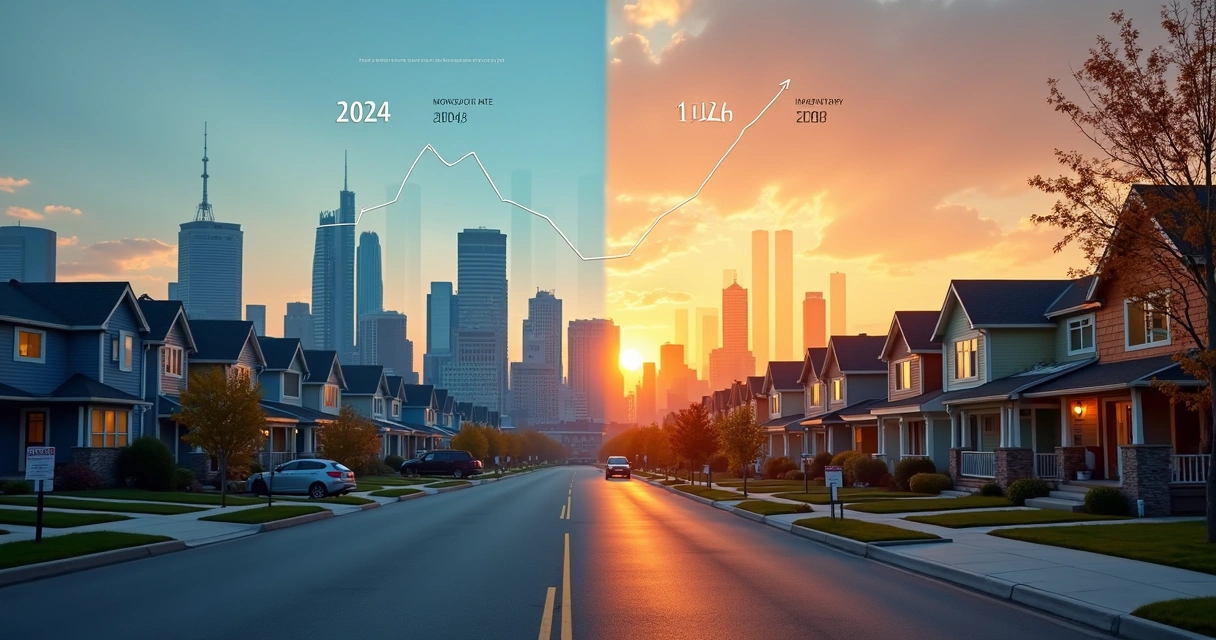
The U.S. housing market enters 2026 with shifting expectations for mortgage rates, home prices, and inventory. Anyone planning to buy or invest will want clear answers about what’s ahead. So, where are things headed—and how does Heart Mortgage fit your plans for an American home? Drawing on data from Fannie Mae, the Mortgage Bankers Association, The Federal Housing Finance Agency and National Association of Realtors, I’ll break down what you can expect.
Reading the numbers: A data-driven approach
Over the years, I've seen real estate cycles shape decisions for first-time buyers and veteran investors alike. For 2026, reliable sources echo a message of gradual cooling, not collapse. Buyers still face obstacles, but opportunity lingers for well-prepared clients. If you’re looking to understand how mortgage rates, home prices, and available homes will affect your journey, this is the analysis to follow.
The signs all point to a more balanced market in 2026.
2026 mortgage rates: What’s in store?
Talk to any hopeful homeowner, and interest rates top the list of worries. This concern is justified: mortgage rates determine monthly payments, borrowing ability, and long-term affordability. I closely follow outlooks from the Mortgage Bankers Association (MBA) and Fannie Mae, since they set the tone for most lenders.
Projections for 30-year fixed mortgage rates in 2026 generally range from 5.5% to 6%, according to recent estimates from MBA and major housing authorities. That’s modestly lower than the peaks of 2023–2024, when inflation and Federal Reserve hikes pushed rates well above 7%. Gradual inflation cooling and more stable economic growth is a big reason for this anticipated decline.
- Fannie Mae’s May 2024 housing forecast suggests a slight dip in rates as inflation pressures ease.
- MBA’s 2026 U.S. housing forecast expects 30-year fixed rates to remain “in the mid-5 percent range”.
- The National Association of Realtors (NAR) mentions steady decreases, but not a rapid return to the pandemic lows.
For borrowers, this means more predictable monthly payments than in the rollercoaster years of 2022–2024. It also means buyers will still need to budget for rates higher than their friends who bought in 2021.
Home prices: Will they finally cool?
The question echoes in every conversation I have with clients: are prices about to drop? I keep a close eye on reports from the Federal Housing Finance Agency, because they offer crucial insight into real-world trends.
Between Q1 2025 and Q1 2026, U.S. home prices rose 1.7% annually and 0.5% from Q4 2025 to Q1 2026. This marks over a decade of positive growth, and suggests that prices are not dropping—but slowing down their pace.
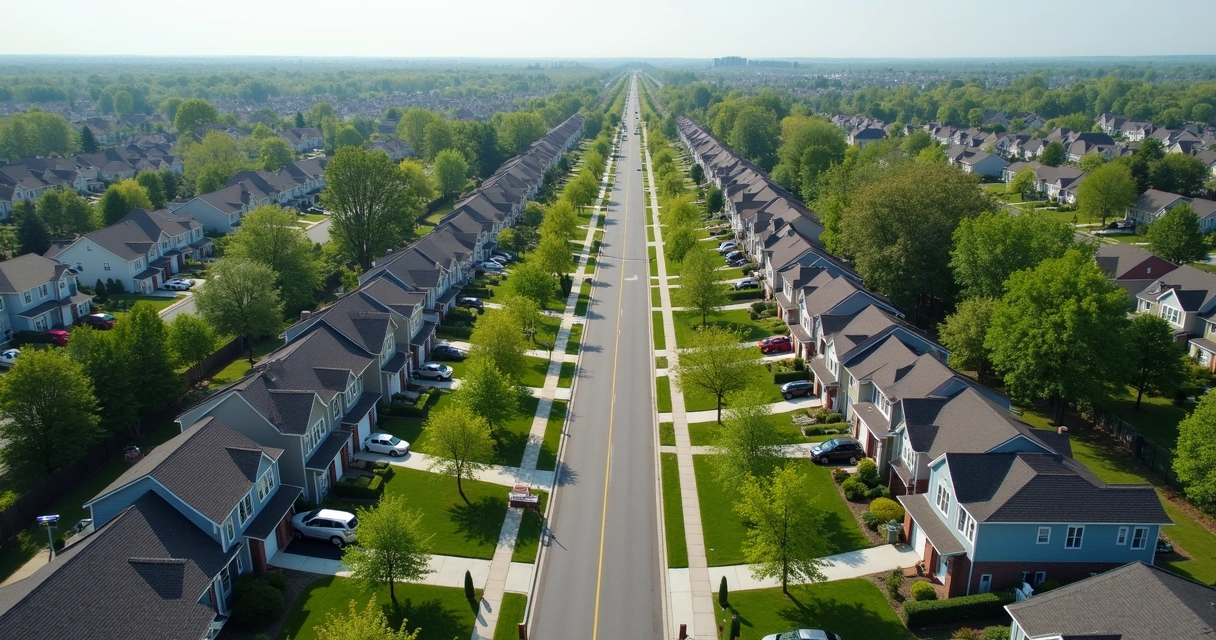
Realtor.com projects that median price gains will stay slow, hovering between 1% and 2% each year through 2026. Fannie Mae echoes these numbers, pointing to a “modest but sustained” rise nationally.
- Western and Sunbelt metros could see even flatter trends, with markets like San Francisco or Austin stabilizing after past booms.
- Midwestern and smaller cities are anticipated to remain competitive, often becoming first choices for buyers priced out of the coasts.
What does this mean in practical terms? For most buyers, don’t expect discounts—but do anticipate less double-digit sticker shock.
If you’re considering refinancing, the complete refinancing mortgage guide offers details on when a price plateau can work to your advantage.
Inventory trends: Supply grows (a little)
In 2025 and 2026, much talk has revolved around a “housing shortage.” Lately, I sense a shift. According to NAR and Fannie Mae, inventory levels are expected to inch up, if only slightly.
Single-family and condo listings should rise by 5–10% in 2026 versus pre-pandemic lows, as homeowners finally respond to more favorable rates and cooling price pressure. Still, the market will likely remain only halfway to historical norms.
Inventory in 2026 may keep rising, but not nearly fast enough to tip the market toward buyers overnight. Larger metros could see more homes for sale and more choices.
- Existing homes make up the majority of new listings, while new construction (especially “starter” homes) stays stubbornly limited due to builder cost and labor concerns.
- Some upturn in home turnover is likely, with older homeowners downsizing and a fresh crop of buyers entering the market after years of waiting.

If you like to follow this data, the real estate market news section is where I round up the main inventory trends and projections.
Loan qualification: Will it get easier?
A big question I get from clients: are mortgage approvals getting easier in 2026? Frankly, major lenders keep tight standards to protect themselves from economic swings. I see FICO score minimums holding steady above 620–650, with more flexibility for government-backed loans (FHA, VA).
Expect income verification, debt-to-income (DTI) checks just below 45%, and full documentation requests as the new normal for most buyers. While these hurdles can be tough, they’re not insurmountable—especially if you have proper guidance.
And that’s where Heart Mortgage steps in. Our team specializes in working with clients who might face difficulties with traditional banks. We help by offering:
- Alternative documentation programs for the self-employed or foreign nationals
- Flexible credit review when a life event disrupts your score
- Streamlined application processes with quick pre-approval
- Direct, supportive contact whether you prefer online, phone, or in-person meetings
The Heart Mortgage difference
As corporate lenders stick with rigid policies, Heart Mortgage gives people like you another path. Whether it’s your first purchase, an upgrade, or investment property, you get personal guidance through every phase. I’m proud to see how our custom approach removes obstacles for buyers who felt locked out elsewhere.
Your home ownership story deserves flexibility and honesty.
This means:
- One-on-one guidance tailored to your finances and goals
- Competitive rates—sometimes equal to or better than the large institutions
- Specialized options from fixed to adjustable, jumbo loans, or investor programs
- Full support from application through closing
Our mortgage calculator can help estimate payments based on your preferred terms and projected 2026 rates, helping you plan with real numbers today.
Transaction volume: More buyers on the move
With steadier rates and slightly easier prices, I see more buyers and sellers re-entering the market. Fannie Mae and MBA agree: sales volumes could pick up by 5–7% over the previous year. This means more homes will finally change hands in 2026.
But with listings still well below their pre-pandemic peaks, don’t count on huge surpluses or sudden price drops. Instead, prepare for healthy competition and the chance to buy with better predictability than recent years.
If you are planning, my advice is to start monitoring homeownership trends, set your budget with realistic expectations, and find an expert who will stand by your side.
How to get ready for 2026
To recap, expect a gradual return to balance in the housing market, not dramatic changes. Rate stability, slower price growth, and a rise in listings set the stage. Approval won’t be a free-for-all, but solutions exist—especially through tailored services like those from Heart Mortgage.
- Check your credit early and fix any errors
- Use calculators to set a clear, practical budget
- Understand all your mortgage options, including second-look or alternative programs if banks say “no”
- Work with a partner who gives you clarity, not confusion
Conclusion: A year of careful optimism
In my view, the 2026 U.S. housing market will offer more stability than recent years. Most experts agree on steady mortgage rates in the mid-5% range, slow but positive price growth, and modestly improving inventory. The next wave of buyers will face challenges, but also more predictable paths to success—especially with clear-headed advice.
Real progress is made by those who prepare and seek out the right support.
If you want to seize the best possible terms in 2026 and work with people who understand both the data and your dreams, I invite you to learn more about Heart Mortgage and how we can help you experience a smoother, more personal path to your American home.
Frequently asked questions
What will mortgage rates be in 2026?
Projections from Fannie Mae and the MBA suggest that average 30-year fixed mortgage rates will settle between 5.5% and 6% in 2026. This would be lower than the peaks of 2023–2024 but still higher than pre-pandemic levels, offering buyers more payment predictability.
Will home prices go up in 2026?
Most forecasts, including the Federal Housing Finance Agency, expect home prices to rise slowly in 2026—around 1% to 2% per year. This is much calmer than previous years, so buyers won’t see dramatic spikes, but should not count on discounts, either.
Is it a good time to buy in 2026?
If you want less price shock and steadier monthly payments, 2026 offers a healthier window to buy than the wild swings of the 2020–2024 period. With interest rates steadying and more homes available, it is a sensible period to purchase, especially if you plan ahead and work with advisors who can unlock tailored solutions.
How much inventory will be available in 2026?
Inventory is expected to rise 5–10% from current lows, but will still not reach pre-pandemic levels. New listings will give buyers more choices, especially in some urban and suburban markets, but the overall market will remain somewhat competitive for now.
What factors affect the 2026 housing market?
The main drivers are mortgage rate trends, inflation, job growth, homebuilding activity, and seller willingness. Lending standards, government policy, and shifting buyer demographics further shape the market. Monitoring official housing data and reliable forecasts remains key for anyone planning a move.