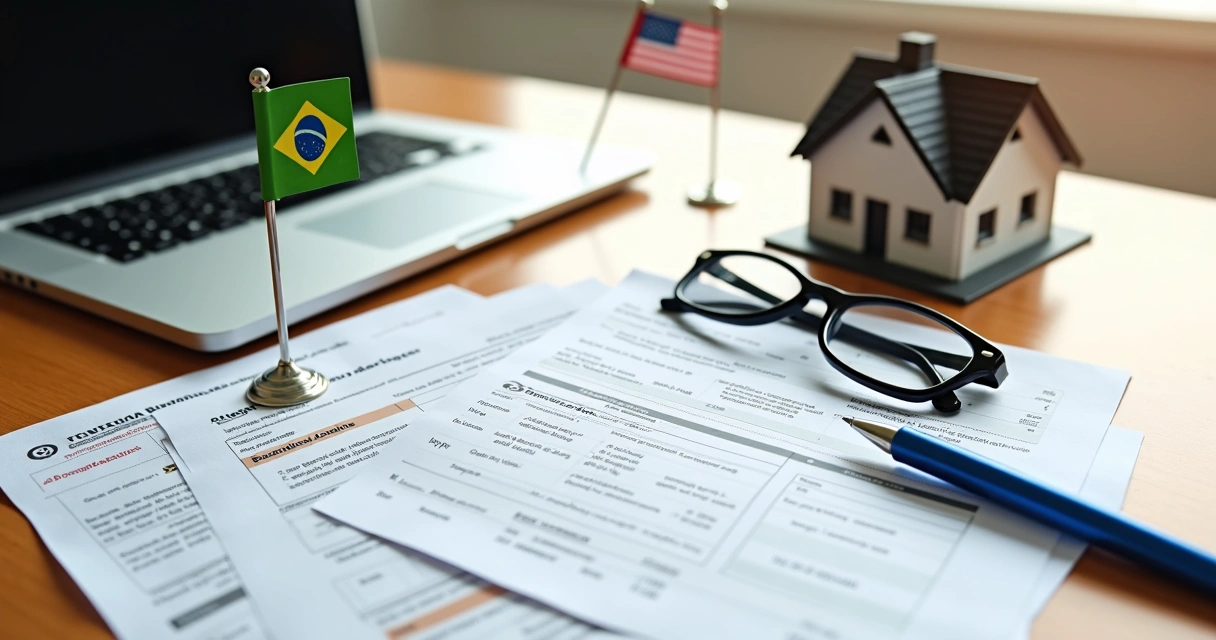
I get this question a lot: can someone buy a home in the United States with an ITIN and no permanent residency in 2026? Yes, it is possible to buy a home with an ITIN even without permanent residency, but the loan path is different from standard conventional financing.
That answer sounds simple. The real process is not. In my experience, the confusion starts when people mix homeownership rules with mortgage rules. Buying a home is one thing. Getting a mortgage is another. A person without a green card can legally purchase real estate in the U.S., but approval depends on the lender, the loan program, income proof, down payment, and risk review.
I have seen many borrowers think an ITIN works like a Social Security number for every mortgage product. It does not. According to the IRS explanation of the Individual Taxpayer Identification Number, an ITIN is for federal tax reporting and identification. It does not grant immigration status, work authorization, or Social Security benefits. That matters because many mortgage programs are built around residency and documentation standards.
What changed for 2026?
For 2026, the biggest point is not a new law saying ITIN borrowers cannot buy. The real issue is underwriting policy. Agency-backed conventional loans still follow rules that focus on lawful residency, valid borrower identification, and documentation standards set by major mortgage backers.
In my research, Fannie Mae and Freddie Mac guidelines do not treat an ITIN by itself as enough for standard conforming mortgage eligibility. Their selling and servicing rules are tied to borrower identity, credit review, and residency classification in ways that usually do not fit a pure ITIN-only borrower with no permanent residency. That means many ITIN borrowers are not eligible for typical conforming loans sold to Fannie Mae or Freddie Mac.
So when people search for Fannie Mae ITIN borrower eligibility or Freddie Mac ITIN mortgage requirements, the practical answer is often this: if the borrower lacks the residency profile those programs expect, agency conventional lending may not be available. The home purchase is still possible, but the mortgage may need to come from a lender that offers non-agency options.
The door is not closed.
That is where companies like Heart Mortgage become relevant. I have noticed that borrowers with unusual profiles often need a lender that looks beyond standard bank boxes and can review the full picture with care and clarity.
Why traditional loan channels often say no
When a borrower has an ITIN and no permanent residency, there are a few common reasons the file does not fit mainstream underwriting:
The borrower does not have a Social Security number.
The residency category does not match agency loan standards.
Credit history may be thin or built outside the usual scoring model.
Income may be harder to document in standard formats.
I have also seen concern around source of funds. Lenders want to know where the down payment came from, how stable the income is, and whether monthly payments can be supported over time. This is where paperwork matters a lot.
The Consumer Financial Protection Bureau, through its mortgage guidance and borrower protection materials, keeps the focus on ability to repay, clear disclosures, and fair treatment during the application process. That does not create automatic approval for ITIN borrowers, but it does reinforce that lenders must evaluate loans responsibly and explain terms clearly.
What can still work for ITIN borrowers?
If a conforming loan is not available, non-agency or specialized mortgage programs may still work. I think this is the part many people miss. They assume a bank denial ends the process. It often does not.
Some lenders offer ITIN mortgage programs designed for borrowers who file taxes in the U.S. but do not have permanent residency. These programs may ask for stronger compensating factors, such as:
A larger down payment
Two years of tax returns filed with the ITIN
Bank statements showing reserves
Proof of steady employment or self-employment income
Alternative credit history, such as rent and utility payment records
In many 2026 ITIN mortgage cases, the borrower can qualify by proving repayment strength, even when standard conventional channels are not open.
If you want a deeper look at this path, I suggest reading Heart Mortgage’s guide to qualifying and applying for an ITIN mortgage loan. I find it useful because it speaks directly to the real borrower journey.

What documents do lenders usually ask for?
In my experience, preparation changes everything. Borrowers who gather documents early tend to move faster and with less stress. Most ITIN mortgage files ask for a package that may include:
Valid government-issued photo identification
The ITIN letter or tax record tied to the number
Recent tax returns, often for the last two years
Recent pay stubs or business income records
Bank statements for assets and down payment funds
Proof of housing payment history, such as rent records
Some files need more. Self-employed borrowers, for example, often face deeper income review. Borrowers using gift funds may need added sourcing documents. I always tell people that a clean file tells a better story.
For readers comparing similar non-citizen situations, Heart Mortgage also has helpful reading on foreign national mortgages for U.S. home loans and on mortgage loans for non-citizens.
How Heart Mortgage supports this process
I like practical help more than broad promises. That is why I think Heart Mortgage stands out for this topic. The company works with homebuyers, investors, and borrowers with harder approval cases, including people who may not fit standard bank rules. The support is not just about rate shopping. It is about reviewing the whole file, explaining what is realistic, and staying present during the process.
From what I have seen, borrowers value a few things here:
Clear communication in a confusing loan category
Flexible contact options, online, by phone, or in person
Guidance on documents before underwriting starts
Loan options for purchases, refinancing, and special scenarios
If you are still sorting out whether you need an ITIN loan or another path, Heart Mortgage has a useful article on financing property in the U.S. without a green card. I think that topic helps many readers connect immigration status with loan structure in a more realistic way.

What should borrowers expect on rates and down payment?
Rates and down payment needs are often higher than for top-tier conventional loans. I have seen this happen because the lender is taking on a file with more manual review and fewer secondary market outlets. That does not make the loan bad. It simply means pricing reflects the added risk and narrower program structure.
ITIN home loans often require more money down and may carry higher rates or fees than standard conventional mortgages.
Still, the right comparison is not against a loan you cannot use. It is against the value of buying now, building equity, and creating a path forward. For some families, that tradeoff makes sense. For others, waiting to strengthen credit or save more may be better.
My final view
My honest answer for 2026 is this: yes, a person can buy a U.S. home with an ITIN and no permanent residency, but usually not through the same rules used for standard agency-backed mortgages. Fannie Mae and Freddie Mac generally do not open the easy path for pure ITIN borrowers without the residency profile their guidelines expect. So the real opportunity often comes from specialized lending.
I have seen how discouraging the first no can feel. But I have also seen people move from uncertainty to approval when the file is matched to the right program. If you want a lender that understands this path and can walk you through it with clarity, I suggest getting to know Heart Mortgage and reviewing its mortgage resources to start your next step with more confidence.
Frequently asked questions
What is an ITIN in mortgage applications?
An ITIN is a tax identification number issued by the IRS for people who do not have a Social Security number but still need to file U.S. taxes. In mortgage applications, lenders may use it to review tax history and identity records, but it does not provide immigration status or work authorization.
Can I get a home loan without residency?
Yes, in many cases you can. The main point is that you may not qualify for standard conforming loans backed by major mortgage agencies. Instead, you may need a specialized non-agency loan with stricter document review and a larger down payment.
How to qualify for a mortgage with ITIN?
I usually see approval depend on steady income, tax returns filed with the ITIN, funds for the down payment, bank statements, and a record of paying bills on time. Some lenders also accept alternative credit records, such as rent and utility payment history.
Are ITIN home loans more expensive?
Often, yes. Rates, fees, or down payment needs may be higher than on standard conventional loans. That happens because the loan program may involve more risk review and fewer resale options in the mortgage market.
What documents do I need for ITIN mortgages?
Most borrowers need photo ID, ITIN-related tax records, recent tax returns, proof of income, bank statements, and proof of housing payment history. Some lenders may also ask for letters explaining employment, reserves, or the source of down payment funds.