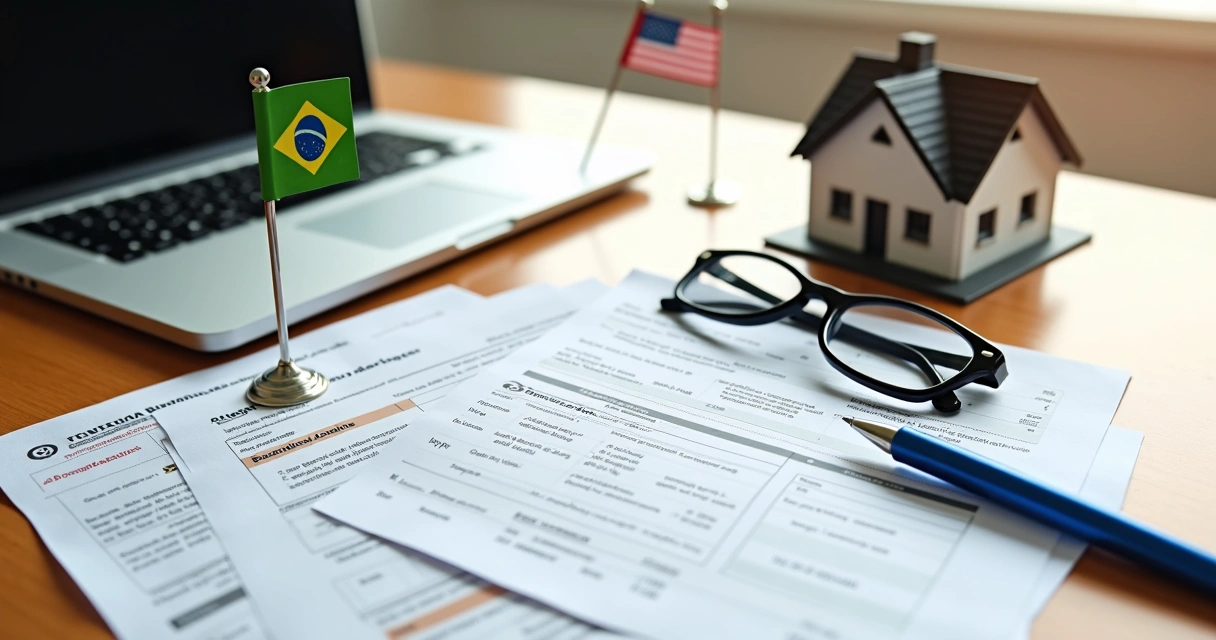

I have seen many foreign buyers assume that getting a home loan in the United States is almost impossible. In Florida, that is not true. It can be harder, yes. It can also be very doable when you know the path, prepare the right papers, and work with people who understand foreign national financing.
If you are trying to understand how to get a mortgage in Florida as a foreigner, I think the first thing to know is simple. Foreign nationals can buy property in Florida and may qualify for financing even without U.S. citizenship or permanent residency.
Florida keeps attracting international buyers. In fact, data on foreign investment in U.S. existing homes showed that Florida remained the top destination for foreign buyers, even during a period when total international purchases fell. I find that very telling. People still want Florida for vacation homes, rental income, family relocation, and long-term investment.
In this guide, I will walk through the process step by step, from eligibility and documents to pre-approval, closing, and common mistakes to avoid. I will also mention practical points that teams like Heart Mortgage often help foreign clients sort out, especially when a traditional bank path feels too rigid.
Who can qualify for a mortgage in Florida?
In my experience, eligibility starts with your borrower profile, not only your passport. Lenders usually look at whether you are a non-resident foreign national, a visa holder living in the U.S., or a buyer with some U.S. financial history already in place.
Your residency status affects the loan options, the down payment, and the documents a lender may ask for.
Here are the most common categories I see:
- Foreign nationals who live outside the U.S.
- Non-U.S. citizens with valid visas living in the U.S.
- Investors buying rental property in Florida
- Buyers purchasing a second home or vacation home
Many foreign buyers focus on condos, single-family homes, or small investment properties. That choice matters because the property itself must also fit the lender’s rules. Some buildings have restrictions, and some properties do not qualify for all loan types.
If you want a broader view of borrower profiles and programs, I suggest reading this guide on foreign national mortgages and U.S. home loans. I think it helps frame what is possible before you even start shopping.
What loan options are common for foreign buyers?
I usually explain this part in plain terms. Foreign nationals often fall into two main financing paths: full documentation loans and DSCR loans.
Full documentation loans are based on your personal income, assets, and financial records, while DSCR loans focus more on the property’s rental income.
Full documentation loans may ask for:
- Bank statements
- Income tax returns from your home country
- Employment letters or business ownership records
- Proof of liquid reserves
DSCR, or debt service coverage ratio loans, are often used by investors. Instead of heavily weighing personal income, the lender looks at whether the rental income can cover the mortgage payment and property costs. I have noticed that this can be attractive for buyers who own businesses abroad, have complex income streams, or simply prefer a cleaner underwriting path.
Some buyers also look for financing without a green card, which is common in Florida. Programs exist for this situation, but terms can vary based on the down payment, property use, and reserve funds.
Paperwork changes the deal.
Step 1: Check your financial position
Before speaking to a lender, I would review my own numbers first. That saves time and avoids disappointment.
You should be ready to answer a few basic questions:
- Will this be a primary, second, or investment property?
- How much do you have for a down payment?
- Can you document your income clearly?
- Do you have cash reserves after closing?
- Can you transfer funds legally from your country?
For many non-resident buyers, down payment expectations are higher than for U.S. citizens. I often see ranges starting around 20% to 30%, though this can change based on the program and borrower profile.
Foreign buyers should plan for a larger down payment, stronger reserve requirements, and more source-of-funds review.
I also think buyers should budget beyond the down payment. You may need funds for closing costs, appraisal, inspections, prepaid items, title charges, and post-closing reserves.
Step 2: Gather the required documents
This is the stage where many deals get slowed down. Not because the buyer is weak, but because foreign documents need to be clear, current, and sometimes translated.
Most lenders will ask for some mix of the following:
- Passport and a second form of identification
- Visa, if applicable
- Proof of address in your home country
- Recent bank statements
- Proof of income, such as payslips, tax returns, or accountant letters
- Business documents, if self-employed
- Reference letters from financial institutions
- Proof of assets and reserve funds
- Credit references, international credit reports, or alternative credit records
In my research, lenders may also want a letter explaining your intent for the property. Is it a vacation home? A rental? A long-term hold? That context matters.
If you want a useful overview, this article on mortgage loans for non-citizens helps clarify what many lenders tend to review.

Step 3: Get pre-approved before you make an offer
I think this is where the process becomes real. A pre-approval gives you a clearer budget and shows sellers that you are serious.
Pre-approval is a lender’s early review of your finances that estimates how much you may be able to borrow.
It is not the final loan approval, but it gives direction. During pre-approval, the lender reviews your income, assets, debts, and basic eligibility. If your file is strong, you may receive a letter that supports your home search.
Heart Mortgage often speaks to foreign buyers at this stage because timing matters. A buyer may find the right property fast, and without pre-approval, the offer can lose strength.
If you want to understand the broader sequence, this guide on the steps to apply for a mortgage in the U.S. is a good companion read.
Step 4: Choose the right property
Not every property fits every loan. I have seen buyers fall in love with a unit, only to learn later that the building has issues with occupancy ratios, litigation, or short-term rental rules.
That is why I always say the property gets underwritten too, not just the borrower.
When looking at homes or condos in Florida, pay attention to:
- Property type and intended use
- Condo association rules
- Short-term rental limits
- Insurance needs, especially in coastal areas
- Expected rental income if using a DSCR loan
I would also work with a real estate agent who understands foreign transactions. A good agent can spot red flags early and help coordinate with the lender, title company, and seller.
If you are comparing professionals, this resource about mortgage lenders in Florida can help you think about what to look for in a specialized lending team.
Step 5: Go through underwriting
This stage feels quiet from the outside, but a lot happens here. The lender checks the file in detail. Income is reviewed. Assets are verified. The property appraisal comes in. Source of funds is checked carefully.
I have noticed that foreign buyers often get extra questions about large deposits, company income, and international bank transfers. That is normal. The lender must document where funds came from and whether the loan meets program rules.
The National Mortgage Database reflects how much detail exists in the U.S. mortgage market. I think this gives buyers a useful lesson. U.S. lending runs on documented risk review. The cleaner your file, the smoother this step tends to be.
Common underwriting requests include:
- Updated bank statements
- Proof of source for down payment funds
- Letters from accountants or employers
- Clarification of liabilities
- Certified translations of financial records
Fast responses during underwriting can help keep your closing on schedule.

Step 6: Prepare for closing and fund transfer
This is the point where excitement usually rises. It also demands care. International buyers need to plan fund transfers in advance because cross-border movement of money can take time.
Funds used for the down payment and closing costs must be traceable, documented, and sent according to lender and title instructions.
In my view, these are the closing items foreign buyers should line up early:
- Wire transfer timing from overseas accounts
- Currency exchange planning
- Proof of legal source of funds
- Passport or notarized signing requirements
- Power of attorney, if you will not attend in person
Depending on the structure of the purchase, you may also need to decide whether to buy in your personal name or through a legal entity. That is where legal and tax advice comes in.
Tax and legal points I would not ignore
I am not a tax advisor, so I always suggest getting legal and tax guidance before closing. This matters even more for foreign investors.
Areas that often need review include:
- How rental income will be taxed
- Whether you should hold title personally or through an entity
- Estate planning concerns for non-U.S. owners
- Reporting rules connected to foreign funds
- Withholding rules that may apply when you sell later
I have seen buyers focus only on loan approval and forget ownership structure. That can create stress later. A good closing attorney or tax professional can help align the purchase with your long-term plan.
There is also a market reason to stay informed. Reports on how the Florida market cooled in 2025 and showed signs of rebound suggest that timing, rates, and international demand continue to shape opportunities for foreign buyers.
Common mistakes I see foreign buyers make
Sometimes the issue is not qualification. It is timing or poor preparation. I have seen a few patterns repeat.
- Starting property searches before speaking with a lender
- Moving money between accounts without a paper trail
- Underestimating the down payment and reserve needs
- Submitting incomplete or outdated documents
- Ignoring condo or rental restrictions
- Waiting too long to ask tax and legal questions
One buyer I once studied as part of my research had enough cash, a good income, and clear goals, but kept shifting funds across several countries just before underwriting. That alone created delay after delay. It was avoidable.
Clean files close faster.
Conclusion
I think the path becomes much less intimidating once you see it step by step. You review your finances, choose the loan type, gather documents, get pre-approved, select a qualifying property, clear underwriting, and prepare for closing with proper fund tracing. That is the real answer to how to get a mortgage in Florida as a foreigner.
The best results usually come when foreign buyers work with lenders and real estate professionals who already know the extra steps involved in international transactions.
If you are planning to buy, refinance, or finance an investment property in Florida, I suggest getting guidance early. Heart Mortgage can help you understand your options, prepare your file, and move through the process with more clarity from the first conversation to the closing table.
Frequently asked questions
What are the requirements for foreigners?
Foreigners usually need valid identification, proof of income, evidence of assets, bank statements, and funds for the down payment and reserves. Some lenders also ask for international credit references, a visa if applicable, and documents that explain the purpose of the property, such as personal use or investment.
Can non-residents buy property in Florida?
Yes. Non-residents can buy property in Florida. They can purchase vacation homes, second homes, or investment properties. Financing is also possible for many non-residents, though they often face higher down payment requirements and more documentation than U.S. resident borrowers.
How to get approved for a mortgage?
Start by reviewing your finances, then gather documents, speak with a lender for pre-approval, and choose a property that fits the loan program. To improve approval odds, keep a clear paper trail for funds, respond quickly to underwriting requests, and work with professionals who understand foreign national mortgage files.
What documents do I need as a foreigner?
Most foreign buyers need a passport, proof of address, recent bank statements, proof of income, tax or accountant records, asset statements, and source-of-funds evidence. Self-employed borrowers may also need business registration papers and letters from accountants. If documents are not in English, certified translations may be required.
Are mortgage rates higher for foreigners?
They can be. Rates for foreign nationals are often a bit higher because lenders may view these loans as higher risk, especially when there is limited U.S. credit history. The final rate depends on the loan type, down payment, property use, reserves, and how strong the borrower file is overall.