

I have seen many buyers focus on the house first and the loan second. In my experience, that order often creates stress. The property type, your goals, and your timeline should shape the loan choice from the start. A loan that works well for a first home may be a poor fit for a fixer-upper, a rural property, or an investment purchase.
The right real estate loan depends as much on the property as it does on the borrower.
When I look at common home financing programs, I usually group them by situation: primary residence, military buyer, rural home, higher-price property, renovation project, short-term gap, and cash-flow need. This makes choices like FHA, VA, USDA, conventional, jumbo, construction, renovation, HELOC, hard money, and bridge loans easier to understand.
How I match loan types to property situations
I like to start with one simple question: what are you buying or trying to do with the property? That answer usually narrows the field fast.
These are the most common matches I see:
- FHA loans for first-time buyers or borrowers with limited credit flexibility
- VA loans for eligible service members, veterans, and some surviving spouses buying a primary home
- USDA loans for eligible rural areas and income-qualified buyers
- Conventional loans for buyers with stronger credit, steady income, or a wider range of property options
- Jumbo loans for homes priced above conforming loan limits
- Construction loans for building a home from the ground up
- Renovation loans for homes that need repairs or upgrades
- HELOCs for owners who want to borrow against home equity
- Hard money loans for fast, asset-based, short-term funding
- Bridge loans for buyers who need temporary financing between transactions
At Heart Mortgage, this kind of matching matters because not every borrower fits a standard file. I have noticed that personalized guidance can save weeks of confusion, especially when credit, documentation, or property condition becomes more complex.
Best choices for primary homes
For many primary residences, FHA, VA, USDA, and conventional financing lead the conversation. Each serves a different kind of borrower.
FHA loans are often a strong option for buyers who need a lower down payment or have less-than-perfect credit.
If I were helping a first-time buyer with limited savings, I would likely compare FHA with a low-down-payment conventional loan first. FHA can be friendlier on credit profile, while conventional can reduce long-term costs for some borrowers. Heart Mortgage speaks to this often in its first-time home buyer resources and in its FHA loan guide for first-time and low-credit homebuyers.
VA loans are built for eligible military borrowers and usually work best for primary homes. I think they stand out when a buyer wants flexible qualifying and low cash out of pocket. USDA loans, on the other hand, can be a very good fit when the home is in an eligible rural area and the borrower meets income rules. The USDA Rural Development Single Family Housing Guaranteed Loan Program is designed for owner-occupied homes in qualifying locations, not second homes or most investment uses.
Property type changes everything.
For borrowers with stronger credit and stable income, conventional loans can offer flexibility across property types and occupancy choices. Heart Mortgage outlines many of those features in its conventional mortgage program page.

Loans for higher-price and investment properties
When the purchase price rises above conforming limits, jumbo financing enters the picture. I usually see jumbo loans used for primary homes in expensive markets, but they can also apply to second homes and certain investment scenarios, depending on the file. Borrowers often need stronger reserves, higher credit scores, and more paperwork.
For investment properties, conventional financing is common, but not always simple. The borrower may face larger down payment requirements and tighter debt ratio rules. For rental-focused buyers, I often suggest learning more about cash-flow-based products too, such as the material in Heart Mortgage’s guide for real estate investors using DSCR loans.
Hard money loans also appear in investment deals, especially when a buyer needs speed or the property condition blocks regular financing. Still, I think of hard money as a short-term tool, not a long-term home loan. Rates and fees are often higher, so the exit plan matters a lot.
When the property needs work
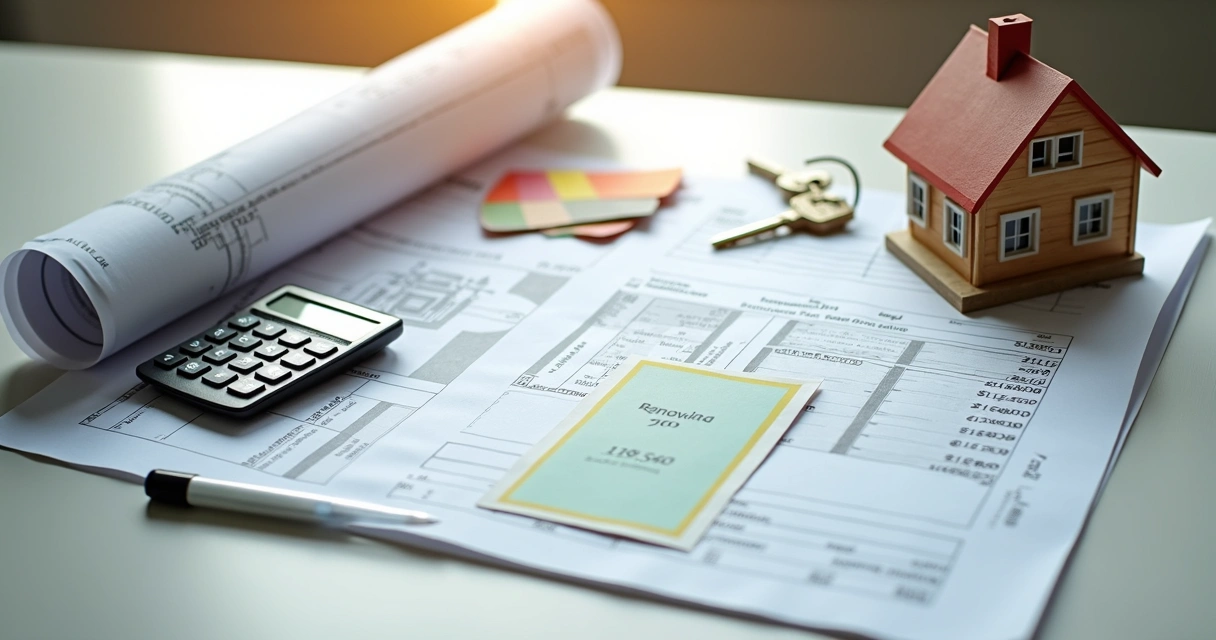
Some of the most confusing cases involve homes that are not move-in ready. That is where renovation and construction financing become useful.
If a home already exists but needs repairs, a renovation loan may be the best path. Two names often come up: Fannie Mae HomeStyle Renovation and FHA 203(k). In my view, the main difference is flexibility versus accessibility.
- HomeStyle Renovation is a conventional-based option that can finance many repairs and upgrades, and it may suit borrowers with stronger credit.
- FHA 203(k) is tied to FHA rules, which can help buyers who need more credit flexibility or lower down payment options.
- Freddie Mac CHOICERenovation is another renovation program that can help finance repairs, disaster resilience work, or improvements tied to the home’s condition.
HomeStyle, FHA 203(k), and CHOICERenovation all fund repairs, but borrower profile and property details usually decide the best fit.
If the home is being built from the ground up, then a construction loan is usually more suitable. These loans often fund the project in stages, with draws tied to progress. I have seen borrowers underestimate how much paperwork this takes. Plans, builder review, timeline, and budget all matter.
For current homeowners who already have equity and want to improve the property, a HELOC can also make sense. It is not a purchase loan. It is a revolving line of credit secured by the home, often used for repairs, additions, or other large costs.
Short-term solutions for timing problems
Sometimes the issue is not the house. It is the timing. A buyer wants to purchase before selling. An investor wants to close fast, then refinance later. That is where bridge and hard money loans come in.
Bridge loans are temporary. I usually think of them as a way to connect one transaction to the next. For example, a homeowner may use a bridge loan to buy a new primary residence before the old one sells. Hard money, by contrast, is usually more asset-based and often used when speed matters more than ideal pricing.
I have found that these short-term loans work best when the borrower already knows the next step. Without a clear refinance, sale, or payoff plan, they can become expensive.
Why guidance matters
Loan choice is not just about rates. It is also about approval path, property rules, timing, and long-term cost. In my research, many buyers feel better once they see the tradeoffs clearly. Even public housing finance data gives context. For example, the Federal Housing Finance Agency reported more than 43,000 foreclosure prevention actions in the third quarter of 2024, with over 7 million completed since 2008. That tells me support and loan structure can make a real difference over time.
What I like about Heart Mortgage is the human side of the process. Lee Dama and the team focus on clarity, flexible communication, and problem-solving for standard and challenging cases. I think that matters when a buyer is comparing many property situations at once, from rural homes to renovation deals to tougher approval files. If you want a loan matched to your property and your real financial picture, I suggest getting to know Heart Mortgage and starting the conversation.
Frequently asked questions
What is an FHA loan?
An FHA loan is a government-backed mortgage for primary residences. I usually describe it as a good option for buyers who want a lower down payment or need more flexible credit standards than some conventional loans allow.
When should I consider a VA loan?
I would consider a VA loan when the borrower is an eligible service member, veteran, or qualifying surviving spouse and is buying a primary home. It can be a strong fit for people who want favorable terms and lower upfront cash needs.
How does a HELOC work?
A HELOC is a home equity line of credit secured by your property. It works like a revolving credit line, which means you can borrow up to an approved limit, repay, and borrow again during the draw period, usually for repairs, upgrades, or other large expenses.
Which loan is best for renovations?
In my experience, the best renovation loan depends on the borrower and the scope of work. FHA 203(k) may suit buyers who need FHA-style qualifying. HomeStyle Renovation and CHOICERenovation may fit borrowers who want conventional-based renovation financing.
What is a bridge loan used for?
A bridge loan is used for short-term financing between two transactions. I often see it used when someone wants to buy a new home before selling the current one, or when quick temporary funding is needed before longer-term financing is in place.