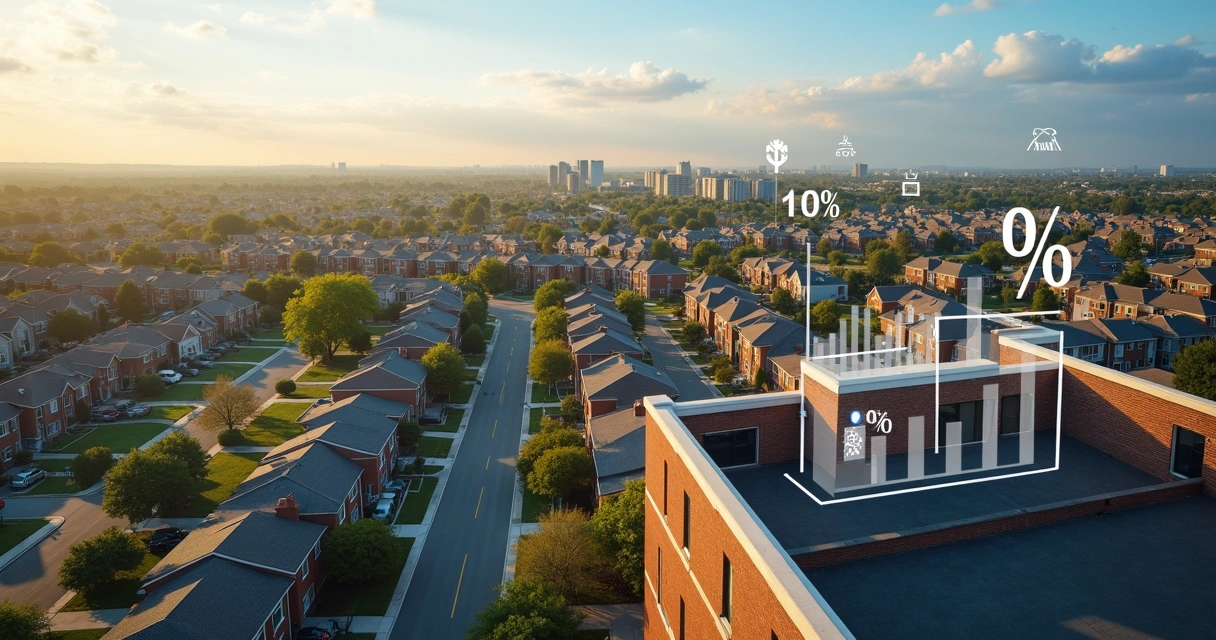

If you are a Brazilian interested in living, working, or investing in the United States, the EB-5 Immigrant Investor Program continues to be one of the most direct and practical paths in 2025 and 2026. With recent policy shifts, new minimum capital requirements, and increasing interest in real estate investments, I want to clarify what you really need to know—and how Heart Mortgage can be your trusted partner through every step.
Understanding the EB-5 investment framework in 2025 and 2026
In my analysis, the EB-5 visa is designed to provide a U.S. green card to foreign nationals who invest a minimum sum in a qualifying American business, typically creating at least 10 full-time jobs. Real estate remains a preferred option, especially among Brazilian investors seeking both lifestyle upgrades and long-term financial security.
The biggest recent change centers on investment minimums and new compliance rules. According to the Reform and Integrity Act of 2022 (RIA) and summarized in Congressional Research Service notes:
- Standard (non-TEA) projects: $1,050,000 minimum investment.
- Targeted Employment Area (TEA) or infrastructure projects: $800,000 minimum investment.
These rules are locked in until at least 2027, when inflation-adjusted increases may begin, as detailed in the most recent Reform and Integrity Act product.
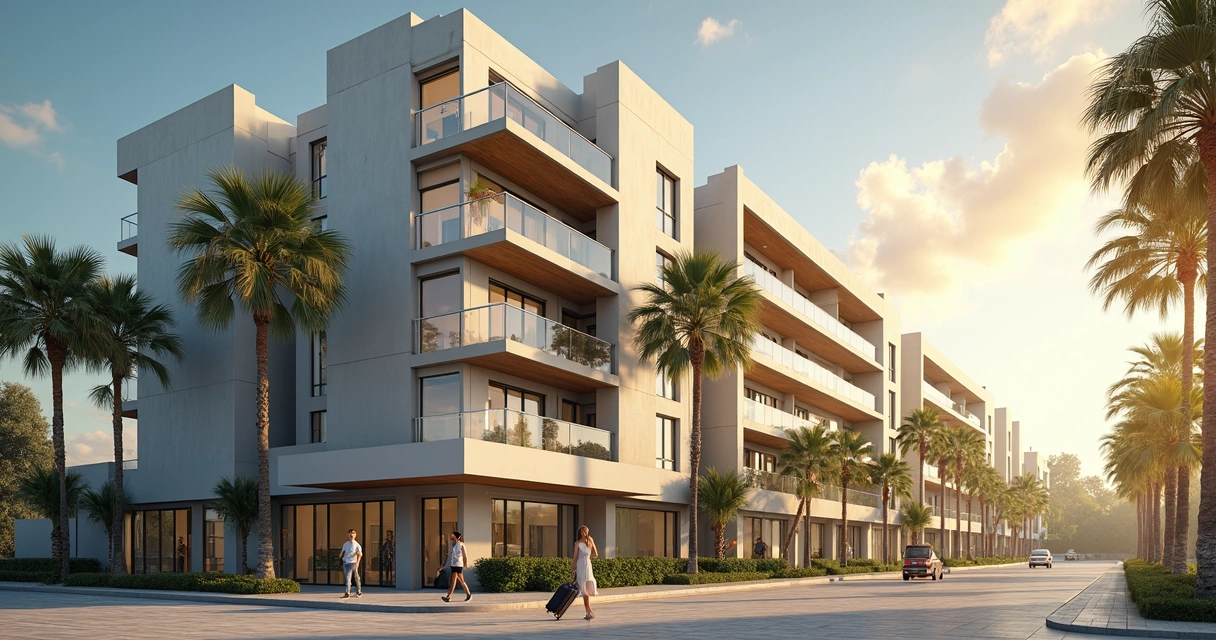
What are real estate investment options for EB-5 investors from Brazil?
When I talk to future EB-5 investors from Brazil, most are drawn to real estate for a reason—it is tangible, understandable, and historically resilient. The top pathways I encounter today include:
- Direct investment in income-producing properties. For example, multifamily or mixed-use developments creating permanent jobs. Investors can take a hands-on role, but management responsibilities are significant.
- Structured projects via EB-5 Regional Centers. These pooled investments often focus on large-scale housing, hotels, or commercial property—usually in TEAs to access the $800,000 entry point. Regional centers manage job creation reporting and day-to-day project supervision.
- Public infrastructure ventures. Less common, but sometimes real estate developments tied to public-works (like transit hubs) qualify as infrastructure projects under RIA, also at the $800,000 level.
Each path has its own timelines, risks, and potential rewards, so studying the full range of options is key. In my experience at Heart Mortgage, careful project selection, understanding compliance, and foresight in structuring credit are where most investors benefit most from expert guidance.
Choosing the right project and area
The $800,000 investment option is only available for projects in Targeted Employment Areas (TEAs)—those that are in high-unemployment or rural locations, as designated by USCIS. Deciding where to focus your capital, and verifying TEA status, can have a decisive effect not just on your outlay, but also on the speed of green card processing and your long-term security.
I recommend making sure your project partner or regional center is transparent about their TEA letters, census data, and local job market statistics. Look for:
- Track record with previous EB-5 initiatives
- Accessibility to financial records and project updates
- Clear compliance with the most recent USCIS policy
- Visible exit strategies or plans for investor repayment
I often point interested investors to USA real estate investment strategies for more practical tips on what to look for in your EB-5 project partner and location.
How to monitor progress and compliance
The U.S. Securities and Exchange Commission (SEC) keeps a close eye on offerings to foreign investors. In practical terms, this means every EB-5 real estate investment must follow U.S. securities regulations and use either a direct or broker-assisted approach that is fully compliant. I advise working with regional centers or advisors that disclose their SEC registration, documentation, and any third-party audits.
Make sure you ask about job creation methodology and records. The Heart Mortgage investment resource section has a series of updated posts on legal standards and monitoring best practices for cross-border property investments.

Visa Bulletin and application timelines for Brazilians
For Brazilian investors, the monthly U.S. Department of State Visa Bulletin is one of the most critical planning tools. As of my most recent review, the EB-5 visa category for Brazil is “current,” which means qualified applications are processed without additional delays due to country caps.
I always recommend future investors track the latest updates on the Visa Bulletin and follow hints for when the demand might push action dates forward. Changes do occur, and early application reduces uncertainty.
How Heart Mortgage helps Brazilians succeed in the EB-5 process
My goal at Heart Mortgage is to take the confusion out of the process for Brazilian investors. Here is what I have seen bring confidence and peace of mind:
- Guided investment structure reviews, giving you direct access to experts like Lee Dama for independent insights on project health and regional compliance.
- Creative cross-border credit solutions, assisting not only with EB-5 qualifying funds but also with additional financing should you want to expand your U.S. real estate presence afterwards. Our article on property financing without a Green Card covers advanced options for foreign nationals.
- Personalized help, from the pre-application research phase all the way through I-526E petition, adjustment of status, or consular interview.
I believe that buying, refinancing, or launching an EB-5-qualified investment in the U.S. should feel transparent. Our commitment is to provide you the honest, tailored support needed to succeed—whichever real estate route you choose.
If you want even more specific examples, I have written a practical guide on starting successfully with real estate investing in the U.S. as a foreign national.
Security, opportunity, and clarity—all possible with the right plan and people.
My conclusion: The right guidance for your EB-5 investment dream
Having helped Brazilians turn investment ambitions into reality, my honest advice is: take the time to study all program developments, ask tough questions, and seek advisors who truly know both the real estate sector and immigration rules from start to finish.
Heart Mortgage stands ready to help you compare EB-5 real estate investment options, assess minimum requirements, build a payment strategy, and feel confident through the entire credit and immigration process. If your goal is a new home and future in the U.S., let us help you take the next step with trust and transparency.
Explore our knowledge base and talk to our specialists to turn your plans into action—with flexibility, security, and speed.
Frequently asked questions
What are the EB-5 investment minimums in 2025?
As established by the Reform and Integrity Act of 2022, the minimum required investment for standard EB-5 projects is $1,050,000, while investments located in Targeted Employment Areas (TEAs) or in certain government infrastructure projects require $800,000. These levels stay in effect until at least 2027, when inflation adjustments may occur.
How to choose real estate projects for EB-5?
I recommend checking that the project is in a qualifying location (TEA if you want the lower minimum), that the developer or regional center has a strong history, and that you can access clear project financial documents. Follow transparency, job creation methodology, and visible strategies for your investment’s exit. You can learn more about practical selection tips in Heart Mortgage’s section on investment best practices.
Is the $800,000 EB-5 option available for Brazilians?
Yes, Brazilian investors can use the $800,000 threshold if their capital goes into a project located in an official TEA or in certain public infrastructure developments. These areas must comply with defined census or government economic designations. It is not available for projects outside these locations, which remain at $1,050,000 minimum.
What are the latest USCIS policies for EB-5?
The latest policies, based on the summary of the Reform and Integrity Act of 2022, focus on higher capital requirements, strict source-of-funds tracking, annual reporting for regional centers, and random audits. TEA designations are now redefined federally, and inflation-based increases are scheduled for 2027 and every five years after.
How long does the EB-5 process take for Brazilians?
Processing times can vary, but as of 2025, Brazilians usually benefit from “current” visa status, so the primary waiting period is I-526E adjudication—typically 12 to 24 months, depending on case complexity. After approval, conditional residency is granted, followed by removal of conditions after two years if job creation criteria are met.