
I have seen over and over how buying a home brings more than financial value. In my experience speaking with new and seasoned homeowners, the feeling of having a place to call your own reaches deep into our sense of security, stability, and connection. Today, I want to share what I’ve learned, supported by current research and real examples from working with Heart Mortgage, about how homeownership strongly supports mental health and helps people feel part of something bigger—a real community.
Building emotional security and better mental well-being
Whenever I’ve helped someone achieve their dream of owning a home, they often describe a kind of relief—an easing of worry that renting never quite solved. This isn’t just my observation; research published in 2024, examining 18 U.S. metropolitan areas, found a statistically significant link between higher rates of mortgage lending and reduced reports of poor mental health within neighborhoods (study analyzing 18 U.S. metropolitan areas).
Having a home provides a buffer from life’s uncertainties, giving us a safe base and a sense of control that is hard to replicate in a rental. For example, I once worked with a single mother through Heart Mortgage who had moved around several times with her young son. When she secured her first home, she described being able to sleep soundly for the first time in years. That story, and others like it, remind me that emotional safety has a real, day-to-day impact.
- Stability for mental health: Homeowners usually face fewer abrupt changes in housing, reducing anxiety tied to moves and rent increases.
- Agency and control: Being able to make decisions about your living space can boost self-esteem and reduce feelings of helplessness, something I often hear from Heart Mortgage clients.
- Pride and accomplishment: Completing the journey to homeownership is a significant milestone, bringing with it confidence and a sense of achievement.
Of course, I recognize from recent analysis of national income data that these benefits are not distributed perfectly; mental health gains from homeownership tend to be stronger among some demographic groups and less so among others, such as those facing poverty (analysis of Panel Study of Income Dynamics data). Still, broad patterns show that for many, a mortgage is much more than an investment—it can be a turning point for overall well-being.
Creating a sense of belonging and pride
Living in a place where you feel accepted—and where you can accept others—has a lot to do with emotional health. Every time I talk to homeowners who have finally put down roots, I notice how their tone changes. There is something about knowing your neighbors and investing in your block that creates a clear sense of belonging.
The act of owning your residence often leads to deeper involvement with local groups, community meetings, and neighborhood improvement projects. This active role doesn’t just help the community, it actually loops back and strengthens an individual’s emotional connection to their environment.
- Longer stays result in stronger relationships with neighbors.
- Personal investment in a home spills over into pride in the local parks, schools, and amenities.
- Celebrations—like block parties or local fairs—feel more personal when you know you’ll be part of this place for years to come.
When you belong somewhere, life feels lighter.
Feeling safe: The deep need for security
Owning a home means more than four walls and a roof—it means exercising control over your surroundings and future. With mortgage solutions from Heart Mortgage, I have seen families move from unpredictable rent or shared spaces to homes where they feel protected and settled. This kind of stability is proven to affect more than just comfort levels; it’s tied to lower rates of anxiety and chronic stress, highlighted by findings from County Health Rankings & Roadmaps (homeownership is associated with better health outcomes).
- Parents report less stress about eviction or sudden moves.
- Kids benefit from consistent schools and local friendships.
- The home becomes a reliable space for milestones and memories.
Not long ago, a family I helped through Heart Mortgage shared that after years of moving from apartment to apartment, their children finally hung posters on the wall without fear of losing their space. It’s the smallest moments—decorating, starting a garden, painting a room—that best show how homeownership supports both a sense of pride and emotional stability.
Community stability: The collective advantage
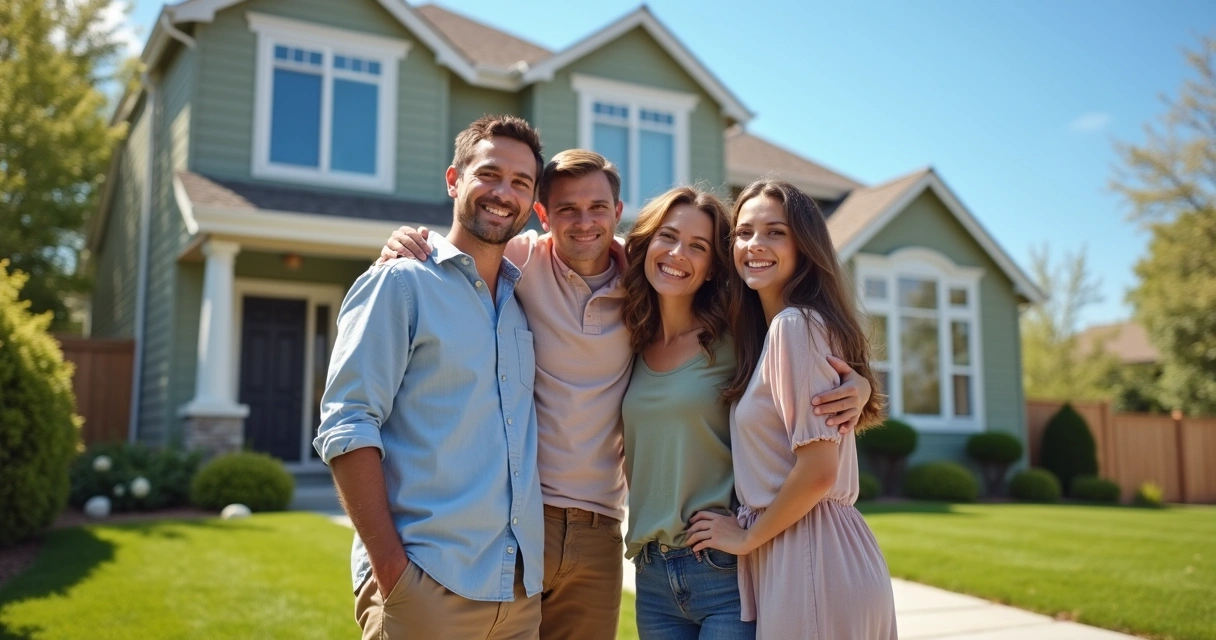
Owning a home doesn’t just help the individual or family—it helps hold together the fabric of the neighborhood. In my view, long-time homeowners serve as anchors, creating lasting value by supporting local businesses, volunteering, and keeping an eye out for each other. Patterns I’ve observed in my clients’ experiences are reflected in population research, which finds that communities with higher homeownership rates have stronger social ties and greater cohesion (more stable, tightly knit communities).
Neighborhoods benefit in these ways:
- More civic participation, from voting to helping on local boards.
- Shared values and mutual respect over time.
- Better outcomes for local children through stability and familiarity.
For those interested in deeper insights about community connection and lasting neighborhood well-being, I recommend reading the articles under the community category of the Heart Mortgage blog.

How lending options and the right support can boost these benefits
I believe the process of becoming a homeowner itself shapes the journey. Not every lender approaches this process with care. Heart Mortgage has always focused on providing tailored mortgage options and consistent support. This approach means that even clients who have worries about their credit or unique financial situations receive honest guidance, leading to a smoother path and a more secure outcome.
Many first-time buyers I’ve worked with feel overwhelmed before starting, unsure if their background will allow them to access these life-changing benefits. Clear communication, expert guidance, and patience make a significant difference. For anyone considering this step, I suggest exploring resources dedicated to first-time home buyers and making use of guides such as the mortgage lender guide for best options.
Conclusion: Homeownership—more than a financial investment
In my years with Heart Mortgage, I have witnessed the genuine ways owning a home shapes mental health, brings peace of mind, and forges powerful bonds with neighbors and neighborhoods. From the comfort of security, to the joy of belonging, to pride in one’s space, the advantages are both clear and deeply personal. For a thorough understanding of the broader landscape, readers can also browse topics on homeownership and real estate in related articles about homeownership and real estate on the Heart Mortgage blog.
Home is where our emotional roots have the space to grow.
If you’re ready to experience these benefits for your mental health and your future, reach out to Heart Mortgage to discover how tailored solutions can help you create your own place of pride, comfort, and lasting connections.
Frequently asked questions
What are the emotional benefits of homeownership?
The emotional advantages of owning a home include a strong sense of security, the ability to personalize your space, pride in achieving a major life goal, and deeper ties to your neighborhood. These aspects foster greater peace of mind and make daily life feel more stable and rewarding.
How does owning a home affect mental health?
Owning a home is linked to lower levels of anxiety and depression, especially in stable environments. Research shows that having control over your living situation and fewer unexpected changes is associated with better mental health outcomes, particularly in communities with high homeownership rates.
Does homeownership increase community stability?
Yes, areas with more homeowners tend to have stronger community bonds, less turnover, and more active participation in local decision-making. Longer tenure in one place makes it easier to build relationships and invest in shared goals.
Why does owning a home create a sense of belonging?
When you own your home, you are more likely to engage with your neighbors, join local events, and contribute to your surroundings. This involvement builds trust and a personal connection to where you live, turning an address into a true home.
Is it worth it to buy for emotional security?
For many people, the security and stability provided by homeownership make the effort and investment worthwhile. Feeling settled and in control of where you live brings peace of mind, supporting both emotional and practical well-being.