
Buying a first home is a moment that stays with you. I still remember the mix of nerves and hope. In the U.S., becoming a homeowner in 2026 will start with understanding the basic steps: planning your budget, getting pre-approval, knowing your down payment options, and managing closing costs. With so many moving parts, it is easy to feel overwhelmed. I have seen that clear guidance makes all the difference, and that’s where Heart Mortgage’s approach stands out, blending expert help with honest support, whether for a family or an investor.
Why a step-by-step plan matters for first-time buyers
When you set out to buy your first home, there is more than just finding the right place. There are numbers, deadlines, documents, and choices. If I have learned one thing, it is that a checklist brings order to chaos. Let’s start with each part, so you can feel more prepared for 2026's housing landscape.
Setting your budget: what can you afford?
The first question I always ask new buyers is: how much can you spend without straining your life? It is not just about what a lender says. A good starting point is to consider your monthly income and all other regular expenses, then estimate how much you’re comfortable putting toward a mortgage and home costs. I often recommend aiming for a payment that leaves room for life’s surprises—emergencies, repairs, family changes.
One helpful resource I share is the home affordability calculator. By entering your financial details, you can get a clearer picture of what a realistic purchase price looks like. That’s one part of the first-time homebuyer steps plan pre-approval budget process I find often gets rushed. Take your time with this step.
- Look at your monthly income after taxes.
- Add up your bills, loan payments, and standard expenses.
- Consider a safe amount for housing (experts often recommend housing stay below 28-30% of your gross monthly income, but personal comfort always comes first).
Mortgage pre-approval: opening doors early
Once you know your number, getting a mortgage pre-approval is a giant leap forward. I liken it to holding a VIP ticket at a concert, agents and sellers take your offer far more seriously. Pre-approval is a lender’s confirmation that you’re ready, based on your credit, income, and savings.
In my research and experience, this is more involved than a basic prequalification. You’ll gather documents like pay stubs, tax returns, and bank statements. The good news is that with a group like Heart Mortgage, the paperwork becomes less intimidating. Their team, led by Lee Dama, walks clients through each part with patience and practical advice. For anyone who wants a deep dive into this part of the journey, I suggest reading this mortgage pre-approval guide.
Trust in the pre-approval letter. It’s your key to unlock the door to serious home shopping.
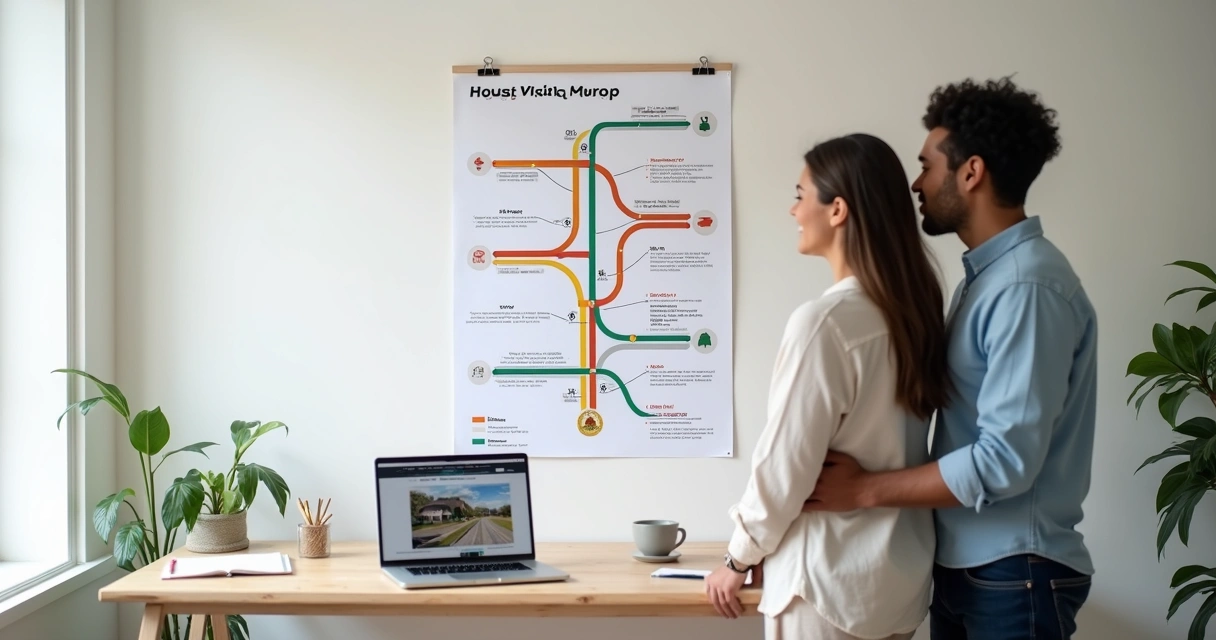
Building your first-time homebuyer checklist
Organization helps you see the next step. Over the years, the best results come from following a clear homebuying checklist. This isn’t just for reminders; it gives you peace of mind that nothing is missed.
- Review and strengthen your credit score if needed.
- Save for your down payment and closing costs.
- Get pre-approval from a trusted mortgage provider.
- Research neighborhoods, home types, and price ranges.
- Work with a real estate agent familiar with first-time buyers.
- Schedule home tours and start comparing options.
- Make an offer, negotiate, and have an inspection done.
- Finalize your mortgage details with your lender.
- Prepare for your closing day (review documents, confirm payments).
These steps aren’t fixed in stone, but in my eyes, having a roadmap removes so much stress. Heart Mortgage even provides support at uncommon hours, making sure you don’t get stuck waiting for answers.
Down payment requirements in 2026: what should you expect?
This is where many buyers get stuck, so let’s clear up some details about current down payment options. For an FHA loan in 2026, the minimum down payment remains at 3.5%, assuming your credit score is 580 or above. If your score is lower (500–579), FHA loans usually require at least 10% down, but approval becomes more challenging. These government-backed loans are a lifeline for those with limited savings or imperfect credit. I always suggest reviewing your eligibility since requirements can shift over the years.
If you are considering a conventional mortgage, first-time buyers can often put down as little as 3%. These programs aim to help new buyers without large cash reserves. That said, putting less than 20% down often means paying for private mortgage insurance (PMI) until you reach enough equity—it’s something I like to bring to the attention of clients early on. The right choice depends on your situation, and I always found that getting an honest comparison from your loan officer makes all the difference. If you want more examples of how down payment scenarios play out, you may appreciate this first-time homebuyer resource from Heart Mortgage.
Estimating closing costs: what should buyers know?
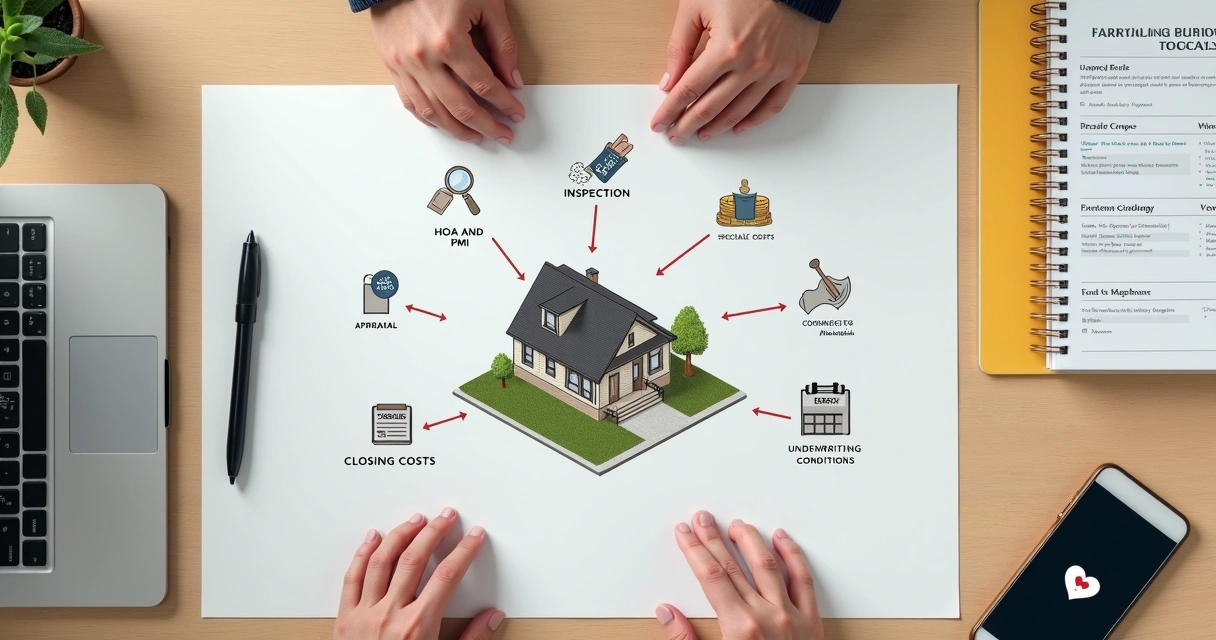
After the down payment, closing costs are the next surprise for most first-time homebuyers. Closing costs cover everything from appraisal and title services to taxes and prepaid expenses. I’ve noticed that many clients underestimate these fees at first, so I always highlight what to expect. In the U.S., typical closing costs run between 2% and 5% of the home’s purchase price, with the buyer usually responsible for most of the amount.
For example, if you purchase a $400,000 home, closing costs could range from $8,000 to $20,000. These costs vary based on your location, property type, and how negotiations unfold. Sometimes, sellers may agree to cover part of the closing costs, but it is smart to plan as if you’ll pay the full amount. I always remind clients that preparing for these fees removes last-minute pressure.
How Heart Mortgage supports every step
There is no single right path; each buyer’s journey looks different. What I appreciate about Heart Mortgage is their focus on guiding clients through all these moving pieces. Their specialists, led by Lee Dama, bring clarity and flexibility, so whether you face challenges with traditional banks or need fast answers, the process stays clear and personal. The team is trained to explain details in plain language, avoiding heavy jargon, which is rare in finance.
If you want a more detailed walk-through of mortgage application steps, this guide is helpful. Practical resources like these can turn something confusing into something manageable. I have seen firsthand how much confidence clients gain when every step is explained with patience.
Conclusion: Your path to homeownership starts here
Purchasing a first home takes more than just saving up and house hunting. From the first step of finding your budget to getting pre-approved and preparing for down payment and closing fees, each decision shapes your future. With honest information, support at each action point, and practical tools from Heart Mortgage, reaching your homeownership goal in 2026 becomes easier.
Start simple. Stay organized. Ask for help. Your home journey should feel possible, not impossible.
For more tips and inspiration, the Heart Mortgage blog’s homebuyer section continues to be a gold mine for reliable advice. If you’re ready to illustrate your own success story in 2026, I recommend checking out Heart Mortgage and experiencing their transparent and compassionate approach firsthand.
Frequently asked questions
What is a first-time homebuyer checklist?
A first-time homebuyer checklist is a step-by-step guide that covers tasks like reviewing your credit, saving for a down payment, getting pre-approval, searching for homes, negotiating an offer, arranging inspections, and preparing for closing. Having a checklist keeps you on track and ensures no important part is overlooked during your home buying process.
How to set a homebuying budget?
To set your homebuying budget, start by calculating your net monthly income and subtracting all regular expenses. Factor in current debt payments and remember to leave some breathing room for savings and emergencies. Using a tool such as the Heart Mortgage home affordability calculator can help turn numbers into a concrete price range.
What does mortgage pre-approval mean?
Mortgage pre-approval is an official letter from a lender confirming you qualify for a loan up to a certain amount, based on their review of your finances. This makes you a stronger buyer and shows sellers you are prepared. The process checks your credit, verifies your income, and reviews your savings and debts.
How much do closing costs cost?
In most U.S. home purchases, closing costs come to about 2% to 5% of the property’s purchase price. So, for a $300,000 home, you might pay $6,000–$15,000. These costs include lender fees, title work, escrow fees, insurance, and taxes—sometimes, they can be negotiated, but it is wise to plan for the full range.
How much should I save for down payment?
If you plan to use an FHA loan in 2026, the minimum down payment is 3.5% of the home’s price (with a credit score of at least 580). For conventional loans, first-time buyers may qualify for as little as 3% down. Still, putting down 20% or more helps you avoid private mortgage insurance, but it’s not mandatory.