

I have seen many buyers feel excited about a property, then freeze when they learn the house also needs work. It happens all the time. A roof must be replaced. A kitchen is outdated. Or the dream is bigger, and the plan is to build from the ground up. The good news is simple. In the United States, there is more than one way to finance a renovation or construction project, and the best option depends on equity, credit, timeline, and the type of work.
In my experience, the smartest path starts with the project itself, not the loan name. When I look at financing choices, I first ask: am I improving a home I already own, buying a fixer-upper, or building a new home? That one answer changes everything.
Start with the project scope
Before I compare a HELOC, a home equity loan, a cash-out refinance, FHA 203(k), or Fannie Mae HomeStyle, I like to define the work in plain terms. Lenders will want that same clarity.
You should prepare:
A list of repairs or construction phases.
A rough budget with contractor bids when possible.
An estimated timeline.
Proof of income, assets, debts, and credit history.
If the property is not yet purchased, I also check whether the renovation money must be rolled into the mortgage. That is where programs such as FHA 203(k) and Fannie Mae HomeStyle often enter the conversation.
Know the project before the loan.
Follow the financing steps in order
I think people save time when they move through this process in sequence instead of jumping straight to rate shopping.
Check your current equity or down payment funds.
Review your credit score, debt-to-income ratio, and cash reserves.
Match the loan to the project type.
Collect contractor estimates and property details.
Get pre-qualified or pre-approved with a mortgage specialist.
Complete appraisal, underwriting, and document review.
Close the loan and follow the draw or disbursement process.
That order matters. For example, if I already own the home and have strong equity, I may not need a purchase-renovation loan at all. If I am buying a property with visible repairs, I may need a loan built for that purpose from day one.
When borrowers want a more tailored path, I often suggest they review the available mortgage programs from Heart Mortgage, because the right structure depends on the borrower profile, not just on the property.
Options for homeowners with equity
If I already own the property, I usually start with three common choices: HELOC, home equity loan, and cash-out refinance. Each works differently.
HELOC
A home equity line of credit is a revolving line secured by the home. I can borrow up to an approved limit, draw funds as needed, and pay interest on the amount used. This can fit projects done in phases, such as room-by-room upgrades.
A HELOC often works best when renovation costs will come in stages and the homeowner wants flexibility instead of one lump sum.
Typical factors include available home equity, credit score, income, and combined loan-to-value limits set by the lender. Rates are often variable, so monthly payments can change.
Home equity loan
A home equity loan gives me a lump sum with fixed payments. I like this option when the budget is clear from the start. If a contractor has given a full bid and I know the amount needed, fixed payments can feel easier to plan around.
The trade-off is less flexibility. If the project grows, I cannot keep drawing money from the same account like with a HELOC.
Cash-out refinance
With a cash-out refinance, I replace my current mortgage with a new, larger one and receive the difference in cash. This can make sense if rates, loan term, and monthly payment still work in my favor. It is often used for larger renovations.
Cash-out refinance can be a good renovation tool when a homeowner wants one new mortgage instead of managing a first mortgage plus a second lien.
Still, I always look closely at closing costs and the new loan term. A cheaper monthly payment can sometimes mean paying for the project over many more years.

Loans for buying and renovating
When I am buying a property that needs work, renovation mortgages can combine purchase and repair costs into one loan. Two names come up often: FHA 203(k) and Fannie Mae HomeStyle.
FHA 203(k)
This program is designed for buyers or owners who want to finance both the home and approved repairs. In my research, it is often helpful for borrowers who need a lower down payment or have more limited credit options than conventional financing usually prefers.
The process often includes:
A primary residence requirement in many cases.
Contractor plans and repair estimates.
An appraisal based on the after-improved value.
Funds released through monitored draws as work moves forward.
There are property and repair rules, and not every luxury upgrade qualifies. The loan is tied to approved work that adds livability, safety, or function.
Fannie Mae HomeStyle
This is a conventional renovation loan that can be used for eligible improvements and, in some cases, offers more flexibility in property types and renovation scope than government-backed renovation options. I have noticed it appeals to buyers with stronger credit who want broader renovation choices.
Common requirements may include:
Credit and debt-to-income standards set by the lender.
Detailed renovation plans and licensed contractor bids.
An appraisal reflecting the projected completed value.
Reserve or contingency funds for unexpected issues.
Fannie Mae HomeStyle is often a fit for buyers who want a conventional renovation loan with repairs financed into the mortgage.
If you are still learning the basics of loan structures, I suggest reading this guide to mortgage loans in the USA. I find that people make better renovation choices when they first understand how the core mortgage works.
What about personal loans and contractor financing?
Sometimes the project is smaller, or the borrower does not want to tie the loan to the home. That is where personal loans or contractor-arranged financing can appear.
I see a few clear pros and cons.
Personal loans may fund fast and usually do not require home equity.
They can carry higher rates than secured options.
Contractor financing may feel convenient at the point of sale.
Terms, fees, and promotional periods must be reviewed very carefully.
For a modest repair, these options can help. For a major remodel or construction job, secured mortgage-based financing is often more suitable because loan size and repayment terms are usually better aligned with the scale of the work.
Construction financing has its own rhythm
New construction is different from remodeling. I have seen borrowers underestimate this. Money is usually released in stages, after inspections or progress checks. The lender will want plans, builder details, permits, and a realistic timeline.
That is one reason a guided process matters. Heart Mortgage is useful here because many borrowers need help connecting the budget, the property, and the approval path, especially when traditional banks have already said no or made the process harder than it needs to be.
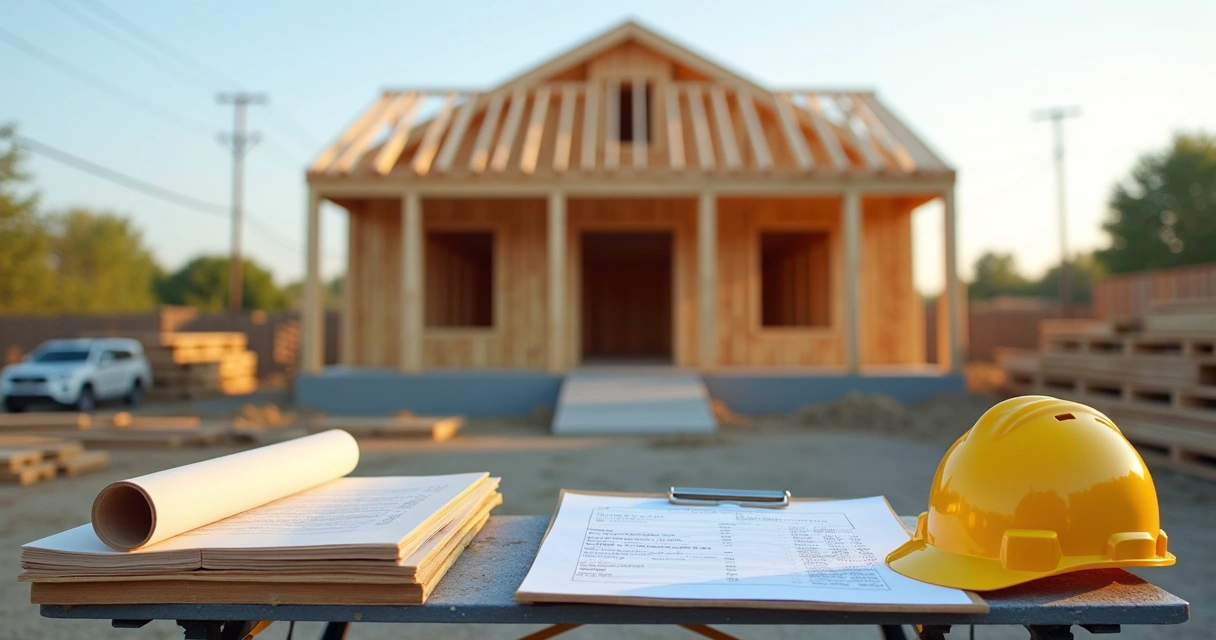
Common documents and approval points
No matter which route I choose, lenders usually review the same broad areas:
Income and employment history.
Credit score and payment record.
Debt-to-income ratio.
Home value or after-repair value.
Contractor bids, plans, and timelines.
For people buying in the US for the first time, or even buying without permanent resident status, I have found these resources helpful: first-time home buyer guidance, advice on steps to apply for a mortgage in the US, and this piece on financing property in the US without a green card.
Conclusion
I believe the best renovation or construction loan is the one that matches the stage of your project, your equity, and your financial profile. A HELOC can suit phased repairs. A home equity loan can suit a fixed budget. A cash-out refinance can work for bigger updates. FHA 203(k) and Fannie Mae HomeStyle can help when purchase and renovation need to happen together. If you want clear guidance and support from start to finish, I suggest speaking with Heart Mortgage to find a financing path that fits your goals and gets your project moving with confidence.
Frequently asked questions
What is a HELOC and how does it work?
A HELOC is a home equity line of credit secured by your property. It gives you access to a credit limit based on available equity, and you can draw funds as needed during the draw period. Many homeowners use it for renovations completed in stages. Rates are often variable, so payments may change over time.
How can I use a home equity loan?
You can use a home equity loan to receive a lump sum for a renovation project, such as a roof replacement, kitchen remodel, or major repair. It is usually repaid in fixed monthly installments. This can work well when you know the full cost upfront and want predictable payments.
What is an FHA 203(k) loan?
An FHA 203(k) loan is a mortgage that combines the home purchase or refinance with funds for approved repairs and upgrades. It is often used for homes that need work before or after move-in. The process usually includes contractor estimates, an appraisal based on the improved value, and staged fund releases during construction.
Is cash-out refinance good for renovations?
Cash-out refinance can be good for renovations if you have enough equity and the new mortgage terms still make sense for your budget. It allows you to replace your current loan with a larger one and receive cash for the project. It is often considered for larger jobs, but closing costs and the new repayment timeline should be reviewed carefully.
What are Fannie Mae HomeStyle requirements?
Fannie Mae HomeStyle requirements usually include lender-approved credit and income standards, a review of debt-to-income ratio, contractor bids, renovation plans, and an appraisal based on the property’s completed value. The loan is used to finance eligible improvements within a conventional mortgage structure, and reserve funds may also be required.