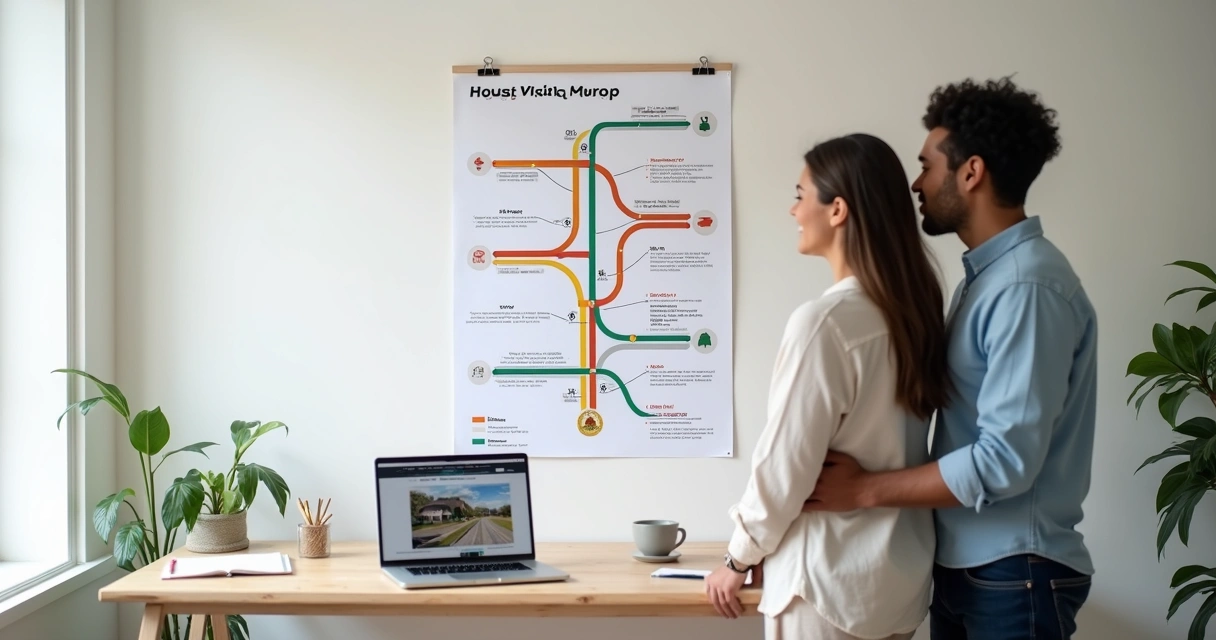
For many renters, there comes a moment when the monthly payment starts to feel less like progress and more like a pause. I have seen that feeling often. You pay on time, renew the lease, and still wonder when you will finally build something of your own. If you feel ready to stop renting and start buying your first home, the path is real, but it works best when you take it one step at a time.
Buying your first home after renting starts with planning, not with house hunting.
That order matters. A lot.
Start by asking if you are truly ready
Before I talk about loans, down payments, or closing papers, I think the first step is honesty. Homeownership can be rewarding, but it also brings new costs and duties. Renters often focus on the mortgage payment and forget repairs, insurance, taxes, and moving costs.
I like to ask a few simple questions:
Will I stay in the area for at least a few years?
Can I handle a monthly payment that includes more than principal and interest?
Do I have some savings beyond the down payment?
Am I ready to manage a home instead of calling a landlord?
If the answer is mostly yes, you may be closer than you think. If you still feel unsure, a rent versus buy review can help. I suggest looking at Heart Mortgage’s rent vs. buy calculator to compare your current costs with a possible home payment in a practical way.
Rent pays for today. Ownership can build tomorrow.
Know your budget before you shop
This is where many first-time buyers make mistakes. They look at listings first and reality second. I prefer the reverse. Review your income, debts, credit cards, car payments, student loans, and monthly habits. Then decide what payment feels safe, not just what looks possible on paper.
Your home budget should leave room for real life, not just loan approval.
In my experience, renters moving into ownership should prepare for these costs:
Down payment
Closing costs
Homeowners insurance
Property taxes
Maintenance and repairs
Moving expenses and utility setup
If your savings feel limited, do not assume buying is out of reach. Some buyers qualify for lower down payment options. In fact, private mortgage insurance helped first-time and working-class homebuyers save an estimated $258.1 billion in down payments between 2020 and 2024, partly because some loans allow purchases with as little as 3% down.
Check and improve your credit
I have seen renters delay buying for years because they assume their credit is not good enough, when in fact they only needed a few months of clean-up. Pull your credit, review it carefully, and fix what you can before applying.
Try to focus on these actions:
Pay every bill on time
Reduce credit card balances
Avoid opening several new accounts
Dispute errors if you find them
If your file is not perfect, that does not always end the conversation. One thing I respect about Heart Mortgage is the way it works with buyers who may have trouble getting approved through more rigid channels. A good lending team can review your full picture, not just one number.
Get pre-approved early
Pre-approval gives structure to your search. Without it, you can waste time looking at homes that do not match your range, or worse, fall in love with one that will not fit your financing.
Pre-approval shows how much you may be able to borrow and helps sellers take you seriously.
If you want a clearer view of the process, Heart Mortgage has a helpful mortgage preapproval guide for buyers. I think this step also gives peace of mind. Numbers become less abstract. The plan starts to feel real.

Learn which mortgage options fit your situation
Not every loan works the same way. Some buyers need a lower down payment. Others want predictable payments. Some have stronger credit and stable income, while others need flexibility.
I suggest learning the basics before choosing. For example, many first-time buyers look at conventional mortgage options because they can offer competitive terms for qualified borrowers. At the same time, the right path always depends on your profile, timeline, and cash available at closing.
If you are just getting started, Heart Mortgage also has a useful page for the first-time home buyer journey. I like resources that explain things in plain language, because buying a home is stressful enough without confusion added on top.
Search for homes with discipline
This is the exciting part, but it can also become emotional fast. I still think buyers should make two lists before touring homes. One list is for needs. The other is for wants. They are not the same.
Your needs may include:
Safe monthly payment
Good location for work or school
Enough bedrooms and bathrooms
Acceptable condition
Your wants may include upgraded finishes, a larger yard, or extra space. Those are valid, but needs should lead the decision. I have seen buyers stretch too far for cosmetic features and regret it later when maintenance starts.
As you search, keep your pre-approval range in mind and stay in contact with your lender. If income, debt, or savings change, your plan may need to change too.
Make an offer and prepare for review
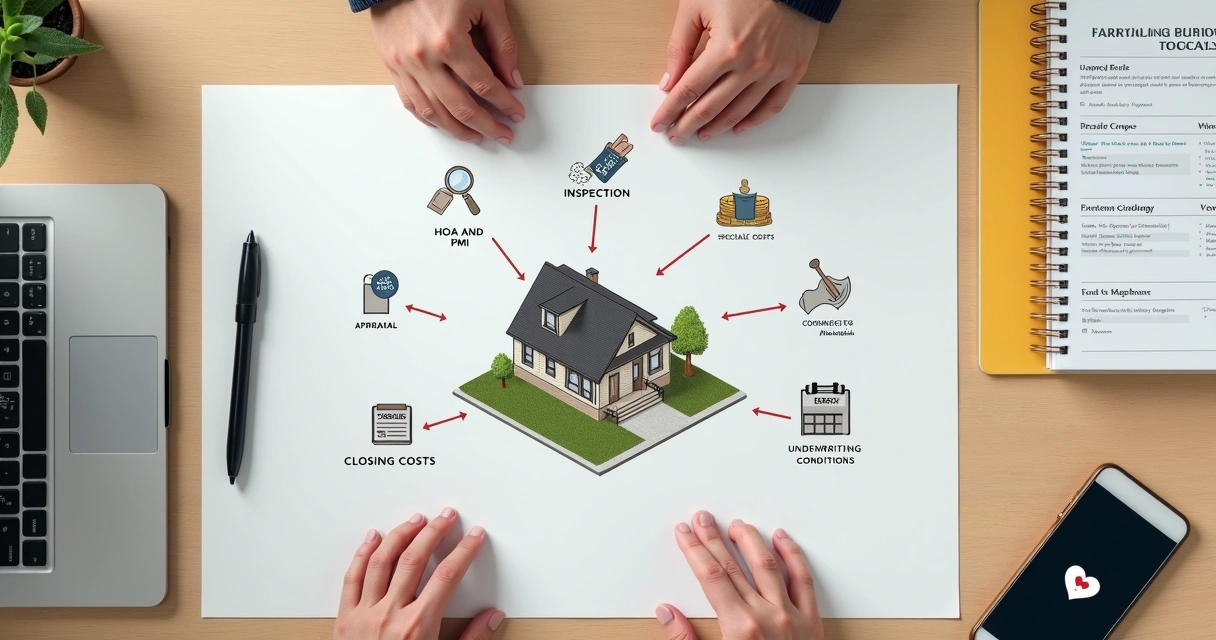
When you find the right home, your offer should reflect both market conditions and your budget. Once accepted, the process becomes more detailed. You may have an inspection, appraisal, document requests, and final loan review.
The period between accepted offer and closing is where organization saves stress.
I tell buyers to keep these items easy to access:
Recent pay stubs
Bank statements
Tax returns, if requested
ID and proof of funds
This is also the stage where communication matters most. Heart Mortgage highlights personal guidance and flexible contact options, and that can make a real difference when questions come up quickly.

Close, move in, and think long term
Closing day feels big because it is big. But I think it helps to see it as a beginning, not a finish line. Once you have the keys, build smart habits early. Set aside money for repairs. Track due dates. Review your full housing costs after the first few months.
If you want ongoing guidance as you keep learning, I would also look at the articles in the homebuyer category on Heart Mortgage’s blog. Good information can help you feel more confident before and after the purchase.
Buying your first home after renting can feel intimidating, especially if you have worried about savings, approval, or timing. I have found that the people who do best are not always the people with perfect finances. They are often the ones who ask questions early, prepare with care, and work with people who explain things clearly. If you are ready to move from renting toward ownership, this is a good time to get to know Heart Mortgage and see which financing path fits your next step.
Frequently asked questions
How do I start buying a home?
I would start by reviewing your budget, savings, and credit. Then I would speak with a mortgage professional to understand what loan amount and payment range make sense for you before looking at homes.
What are the first steps after renting?
The first steps are checking your finances, building savings for upfront costs, improving credit if needed, and getting pre-approved. After that, you can begin a focused home search based on a real price range.
How much down payment do I need?
It depends on the loan type and your financial profile. Some buyers put down 20%, but many first-time buyers qualify for lower amounts, including options starting around 3% in some cases.
Is it better to buy than rent?
I think it depends on your timeline, finances, and goals. Buying may help you build equity and gain stability, while renting may offer more flexibility. The better choice is the one that fits your life right now.
What credit score is needed to buy?
There is no single answer because loan programs vary. In general, a higher score can improve your options and terms, but buyers with less-than-perfect credit may still have paths available if the rest of their file is strong.