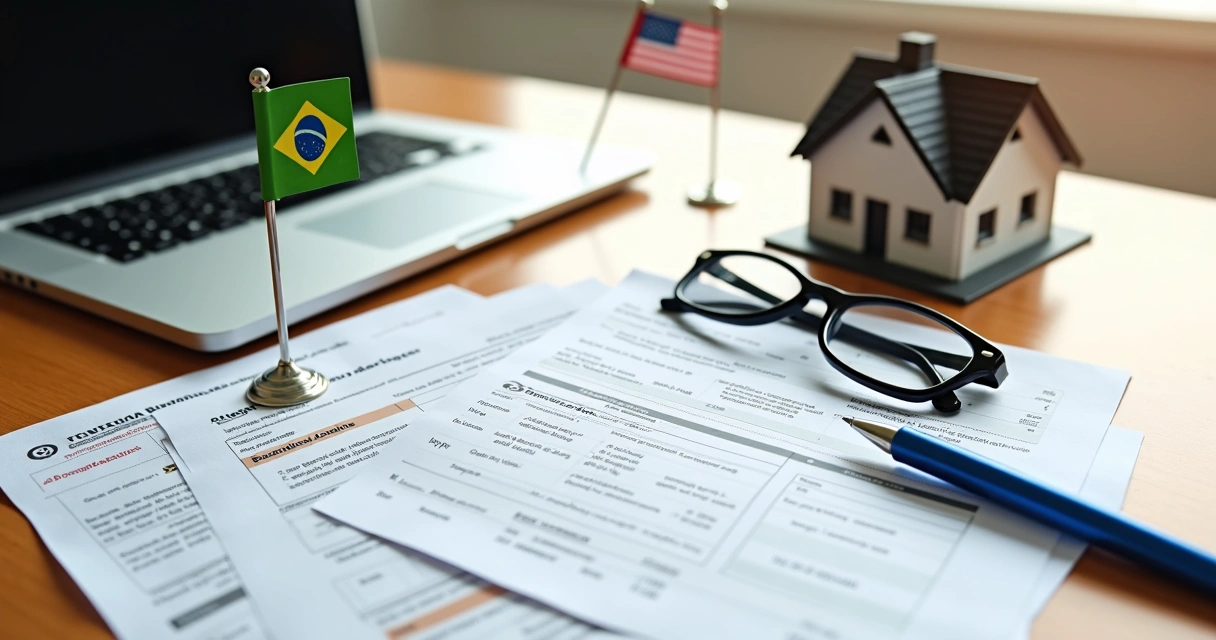

Buying a home in the U.S. without a local credit history or income may sound impossible at first. But in my experience, many foreign buyers navigate this journey successfully every year. I often hear the same set of questions—how do non-U.S. residents qualify for a mortgage without credit or a steady job in the States? What documents do they need? Can they use an ITIN? Here’s what I’ve learned after years of helping international buyers finance their American dreams, and how Heart Mortgage is uniquely positioned to help.

What are the main requirements for buying without U.S. credit or income?
The biggest question for most foreign buyers is: how do you prove you can pay if you don’t have a U.S. credit score or local income records?
Here are the most common ways buyers satisfy requirements:
- Down payment: Most programs require a much higher down payment than standard U.S. mortgages. It’s common to see 25%-30% down (or in some cases even more). This reduces the lender’s risk.
- Proof of income/assets from the home country: Lenders may accept bank statements, tax documents, or employment letters from your country of residence.
- Alternative credit documentation: If you lack a U.S. credit file, you can sometimes provide evidence of timely rent payments, utility bills, or letters from foreign banks demonstrating responsible borrowing.
- Valid identification: While a U.S. Social Security Number is not required, you must have a valid passport, visa, or government-issued identification.
- Use of ITIN: Many buyers use an ITIN, which is explained in more detail on the IRS official website.
The approval process is still rigorous. I’ve walked buyers through multiple document requests, helping them organize statements from home-country banks, get certified translations, and work around complicated income sources. It’s not always fast, but with the right help, it’s very possible.
What about Fannie Mae and FHA rules for foreign nationals?
I get many questions about the guidelines from leading U.S. agencies like Fannie Mae and FHA. Here’s how it usually works in practice:
- Fannie Mae will consider foreign income and credit—if you can document it. For foreign national borrowers, lenders order an international credit report or use ‘alternative credit’ like proof of utility/rent payments.
- FHA loans are generally for residents with a valid Social Security Number, but some non-permanent residents who can prove lawful residency and employment authorization may qualify.
Still, if you don’t meet these agency criteria, there are specialized mortgages not tied to those guidelines. These are usually more flexible but come with slightly higher rates or stricter down payment terms. If you want to dig deeper into alternatives outside the traditional path, visit financing property in US without a green card.
How an ITIN helps nonresidents buy a home
ITIN makes U.S. property ownership possible for people without a Social Security Number.
The Individual Taxpayer Identification Number is a tax processing ID for people who need to pay taxes but aren’t eligible for a Social Security Number. According to official IRS guidance, the ITIN is used by non-citizens or residents for tax purposes.
In U.S. mortgage lending, some banks and specialty lenders let foreign nationals apply with an ITIN. You won’t build U.S. credit with it, but you can buy real estate, pay taxes, and start to establish a presence.
The ITIN loan process does require additional identity and income checks compared to Social Security-based loans. But if you have the right support, the options are expanding. For a step-by-step look at how to qualify and apply, check out the ITIN mortgage loan guide.
Alternative documentation: what can be used in place of U.S. credit?
Some lenders are open to alternate proof that goes beyond classic credit reports. Based on what I’ve seen, the best alternatives include:
- Letter of reference from a foreign bank, confirming you’ve handled accounts responsibly.
- Documents showing on-time rent, utilities, insurance, or phone payments.
- Translations of foreign credit reports (when available).
- Sworn affidavits or certified employment income statements.
There’s no guarantee every lender accepts all these documents, but the landscape is better than ever. If you want to read more about credit alternatives, the credit category on Heart Mortgage’s blog is packed with ideas and recent updates.
Proof and source of funds: buying with cash or non-U.S. funds
Many buyers decide to purchase a property outright, especially if mortgage rules feel too strict. In my own experience, all-cash buyers still need to:
- Provide clear proof that the money comes from a legitimate source (bank statements, sale of property, inheritance, etc.).
- Prove the money was sourced legally (sometimes called ‘seasoning’ funds).
- Complete federal compliance paperwork for large transfers.
Even buyers with no credit or U.S. income can own homes, if they meet documentation and legal requirements.
Most people are surprised by the variety of solutions available when you have a knowledgeable guide.If this sparks your interest, there’s practical advice waiting in this comprehensive guide for non-citizen homeowners.
How Heart Mortgage changes the experience for international buyers
When clients come to Heart Mortgage, they usually carry months of frustration trying to meet bank requirements. Some have even given up on their American dream because of rigid rules or communication barriers. That’s where service and expertise matter most.
At Heart Mortgage, our team specializes in creative solutions for international buyers. I’ve seen firsthand how our experts handle every step—from loan approval, to document translation, to negotiation, all the way through closing. Our approach is marked by honesty and patience, with a genuine hope to see our clients settle into their dream home.
Strong communication (in several languages), flexible meeting methods, and transparent rates are the difference makers. If you want help buying property with no local credit or income, Heart Mortgage stands out as a reliable guide with a proven record for nontraditional buyers.
Conclusion: A path forward for non-U.S. residents
Your U.S. dream home is possible—even with no U.S. credit or local income—when you partner with the right experts and prepare the right documents.
I’ve seen so many international buyers unlock opportunities that once seemed out of reach. The key is finding up-to-date information and a mortgage partner who values your unique situation. At Heart Mortgage, our mission is to make your journey simple, clear, and successful.
For personal guidance, more resources, or to start your approval, reach out to Heart Mortgage. Getting a home in the U.S. is closer than you think.
Frequently asked questions
How can I buy a house in the US without credit?
You can buy a house in the U.S. without a credit score by applying for a foreign national mortgage, which uses alternative documentation like bank statements, proof of foreign income, letters from your bank, and a higher down payment, sometimes as much as 30%. Specialized lenders help non-U.S. buyers who lack traditional credit history. For more, you can visit the detailed guide on foreign national mortgage options.
What are foreign national mortgage requirements?
Foreign national loans need valid ID (passport/visa), proof of funds, income documents from your country of residence, and a large down payment. Instead of U.S. credit, you might submit a foreign credit report, bank letters, or proof of timely utilities/rent payments. All documentation may need certified translation. Different lenders vary, but a higher down payment and clear paper trail are common requirements.
Can I get a mortgage with an ITIN?
Yes, you can get a mortgage in the U.S. using an ITIN instead of a Social Security Number, if you work with lenders who accept it and have the right documents prepared. The process will include verifying your identification, source of funds, and foreign income. More guidance is covered in our ITIN mortgage resource.
Is it possible to buy without US income?
Yes, you can. Lenders will look for stable foreign income, assets, or cash reserves. Documentation—like employment verification and translated bank statements—is key. Some buyers choose to make an all-cash purchase, avoiding local income requirements entirely. Just be prepared for thorough checks on the origin of your funds.
How much down payment do foreign buyers need?
The standard down payment for foreign buyers is usually between 25% and 35% of the property price, but it can vary by lender, loan size, and buyer profile. Some high-value properties or higher-risk situations may require even more. The amount acts as security for the lender.