

When I first heard about seller concessions, I was deep into my journey as a real estate writer. Over the years, I have met many buyers who were confused by the subject, thinking of “concessions” as something rare or mysterious. In reality, they’re a regular part of negotiations and, in 2026, understanding how seller concessions help cover closing costs and how their limits work under Conventional, FHA, VA, and USDA loans could mean thousands saved at closing.
What are seller concessions?
Through my experience, I realized that many buyers see seller concessions as a way for the seller to “help out,” but the explanation is much more precise. Seller concessions are sums the seller agrees to pay—or credits the seller gives—to offset some of the buyer's closing costs or prepaid expenses. This money never goes to the buyer directly; it is applied at closing as a credit toward their total charges. It is an allowed and regulated practice, not a loophole.
Picture this: You have found your dream home, but the upfront costs—closing fees, prepaid taxes, maybe homeowners insurance—feel overwhelming. In the right situation, you can ask the seller to cover part of those fees. The amount they can contribute depends on your loan type, the purchase price, and sometimes your intended use of the property. The real strategy is knowing how much you can ask for—and how to position it within your offer.
How do seller concessions work?
When a buyer negotiates seller concessions, they negotiate for the seller to pay some closing expenses. This is usually written into the purchase contract and can include a range of items:
- Origination or lender fees
- Title insurance and escrow fees
- Appraisal and inspection costs
- Prepaid property taxes and homeowners insurance
- Attorney’s fees (in some states)
- Discount points to lower the interest rate
If buying your first property in the United States or even investing, as many Heart Mortgage clients do, understanding this structure is key. The seller’s willingness to provide concessions often depends on the market. In a slower market, sellers are more likely to help buyers with closing costs. In a hot market, you may have to offer a higher purchase price or find other ways to win the seller over.
 In practice, let’s say the seller agrees to $8,000 in concessions. When your mortgage is approved and you arrive at closing, that $8,000 is applied directly to your eligible closing costs—making homeownership feel more possible.
Loan program limits in 2026
By 2026, loan guidelines set very clear limits for every type of mortgage. The seller is allowed to contribute up to a certain percentage of the home’s sale price toward the buyer’s closing costs, depending on how the property will be used and the loan type. This prevents buyers from financing their entire down payment and costs with seller money, which could otherwise make loans risky for lenders.
Conventional loan concessions (Fannie Mae and Freddie Mac)
Conventional loans—those backed by Fannie Mae and Freddie Mac—set structured “interested party contribution” limits, which apply whether you’re using Heart Mortgage or another trusted broker. In my research for 2026 guidelines, these are the main points:
- Primary residences or second homes:Down payment less than 10%: Seller can cover up to 3% of the price
- Down payment between 10%–25%: Seller may contribute up to 6%
- Down payment above 25%: Concessions can go as high as 9%
- Investment properties:Maximum of 2%, regardless of down payment
These guidelines hold for both Fannie Mae and Freddie Mac. Their rules on interested party contributions have been consistent for years, and all signs point to these same thresholds holding in 2026. If you want to read more about the overall mortgage process for homebuyers, the Heart Mortgage homebuyer resources are a good option.
FHA loan concessions
For anyone looking at FHA loans, the limits are a little different. The FHA permits sellers to pay up to 6% of the sales price for the buyer’s closing costs, discount points, and other prepaid expenses. This applies whether you’re buying a house to live in or renting it out later. It is important to note, however, that FHA concessions cannot be applied toward the down payment itself, only closing costs. Sellers, with the help of a company like Heart Mortgage, will coordinate to ensure the credits are correctly applied at closing.
VA loan concessions
With VA loans, there are two sets of rules that trip up buyers. First, the seller can cover all “customary” closing costs (such as origination, appraisal, title, credit report, and recording fees). Second, they can contribute up to 4% of the sale price for items beyond the basic closing fees—such as paying prepaid taxes, homeowners insurance, paying off collections, or even paying part of the VA funding fee.
So, if you have a $400,000 VA loan, the additional 4% ($16,000) covers a broad range of expenses—not just what you normally think of as closing costs. This detailed division gives VA buyers flexibility, but it is always smart to work with a specialist, like those at Heart Mortgage, who know the distinctions.
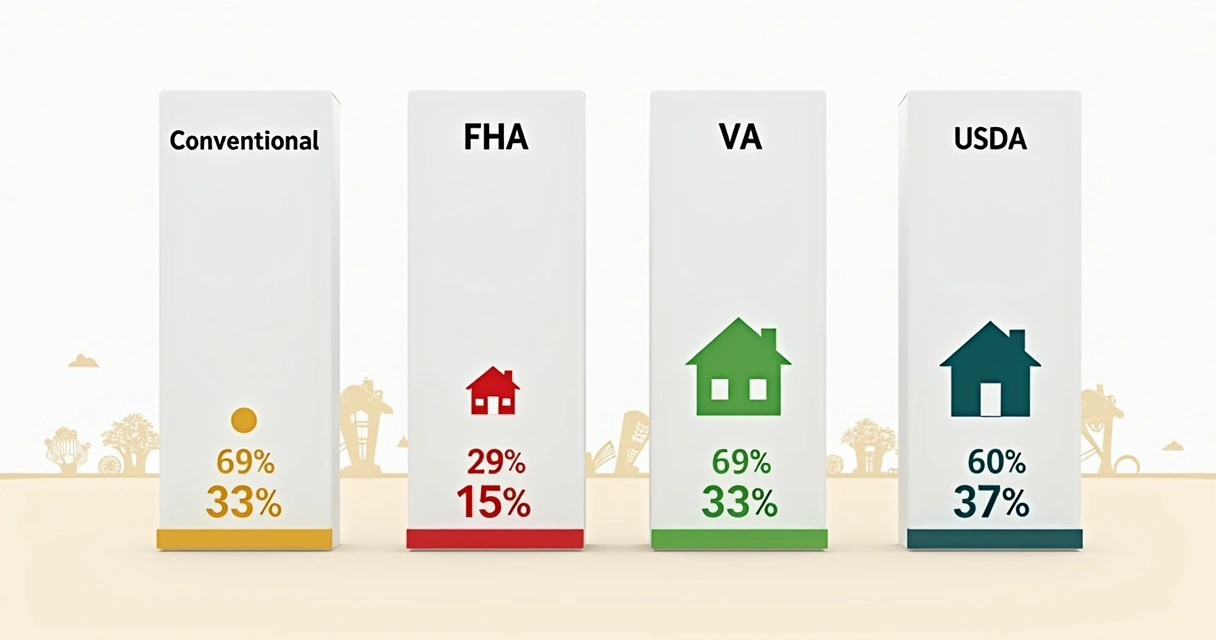 USDA loan concessions
For USDA loans, the rules allow the seller to pay closing costs “within reason,” but guidance for 2026 continues to support up to 6% of the sales price. USDA loans are wonderful for rural and suburban buyers, especially if upfront costs are a concern, and many Heart Mortgage customers have succeeded in getting their closings paid for this way.
How to request seller concessions when making an offer
The moment when an offer is made is the time to ask for concessions. I always suggest talking with your loan officer to estimate your closing costs and then including the exact amount requested in your purchase contract. Here are steps I routinely share with future homeowners:
- Get clear closing cost estimates from your lender before you write an offer.
- Work with your real estate agent or broker (or, in some cases, directly with Heart Mortgage advisors) to draft your offer, stating the exact amount or percentage you want the seller to pay.
- Check your loan program’s concession limits carefully, so you do not request more than allowed.
- Negotiate. In a slower market, sellers are often open. In a competitive market, you may offer more for the house in return for larger seller concessions.
- Reconfirm with your lender (and your agent) that all credits are documented on your closing disclosure before you sign any final papers.
I have witnessed cases where a buyer forgot to include the request in writing, only to find out too late at closing. Clarity matters. And so does timing.
If you are thinking about how this fits with other parts of getting a mortgage in the United States, you might want to look at the complete guide for homebuyers from Heart Mortgage, which includes practical checklists about pre-approval and avoiding costly mistakes.
Practical tips and what I’ve learned
After two decades in this business, I’ve noticed a few patterns that help buyers succeed with seller concessions:
- Plan early. Start talking about concessions before you even look at houses. Know your lending program and limits.
- Be specific. Ask for a set dollar figure or set percentage in the offer—not “a portion of closing costs.” Clear requests get clear answers.
- Check your loan documents twice. Ask your lender or specialist to confirm the seller’s credits on the purchase contract and the closing disclosure. (A mistake here can delay your closing day or cost you savings.)
- Be realistic in your negotiation. If the home is getting multiple offers, a concession-heavy offer might not be accepted unless paired with a higher sale price.
- Work with someone who understands concessions. I can’t say enough about having a mortgage advisor on your side. At Heart Mortgage, they’re trained to guide buyers toward the highest allowable credits—for first-timers and experienced investors alike.
If you want to avoid common mistakes when dealing with mortgages, the Heart Mortgage article about common application mistakes is a good choice.
Conclusion: Making seller concessions work for you in 2026
As we look ahead to 2026, clear limits around how seller concessions help pay buyer closing costs in Conventional, FHA, VA, and USDA loans will remain. It’s a technique that saves money for buyers and improves the odds of closing a transaction, especially for those who find traditional bank processes hard to navigate.
If you’re considering a home purchase and want to know how seller credits can reduce your upfront expenses—with up-to-date, personal help at every step—reach out to Heart Mortgage. The team’s guidance and clarity can turn a complex negotiation into a smooth and rewarding experience. For a deeper look, you can check the Heart Mortgage articles on mortgage pre-approval and special guides about finding the right mortgage.
Get in touch with Heart Mortgage today—and turn your goal of homeownership into a reality, with clarity and confidence every step of the way.
Frequently asked questions
What are seller concessions in real estate?
Seller concessions are negotiated credits or payments by the seller to cover part of the buyer’s closing costs, prepaid expenses, or specific fees at closing. They are agreed to during negotiations and are applied directly to eligible costs, never given as cash to the buyer.
How do seller concessions cover closing costs?
When seller concessions are included in the purchase contract, the seller agrees to pay a specified amount toward the buyer’s closing costs. This amount is shown as a credit on the settlement statement and directly reduces the costs the buyer needs to bring to closing.
What are the limits for concessions in 2026?
For Conventional loans, limits run from 3% to 9% depending on down payment and property type; FHA allows 6%; VA loans have variable rules, including 4% for certain items; USDA usually allows 6%. These limits apply to the property’s sale price and cannot exceed the actual cost of eligible closing fees.
Do FHA, VA, and USDA loans allow concessions?
Yes. FHA loans allow sellers to contribute up to 6% of the sale price toward closing costs, VA loans allow customary costs plus extra credits up to 4%, and USDA loans generally support up to 6%. Each program sets its own specific rules.
Is it worth asking for seller concessions?
In my view, seller concessions can be a smart way for buyers to reduce out-of-pocket expenses. If used properly—and within the allowed limits—they help buyers afford costs that might otherwise block a home purchase. It’s best to work with a mortgage advisor to ensure you request the right amounts and include them correctly in your offer.